 Courses Our full taught postgraduate course listing
Loading search...
Loading search...
Loading site search...
Loading site search...
Loading site search...
Loading...
Loading site search...
Loading site search...
Postgraduate study is a powerful way to advance your career, deepen your expertise and open new opportunities.
Harper Adams University has a long and distinguished history as the UK’s leading specialist university for agriculture and the wider land-based and rural industries. We equip graduates with the skills and knowledge to lead a more sustainable food chain and rural economy for the future.
Excellent teaching, specialist facilities, internationally recognised research, and strong industry and professional partnerships are at the heart of what we do.
Within our close-knit academic community, we create and share knowledge that develops minds, solves real-world challenges, enhances lives and creates opportunity. Harper Adams is helping shape the future of rural industries while supporting students to achieve their personal and professional ambitions.
Here, students see theory put into practice every day. From field-based teaching and hands-on experiments to conducting field trials and analysing samples in our expanding laboratory complex, learning happens in a vibrant research and teaching environment without needing to leave campus.
Our postgraduate portfolio of courses continues to grow in response to the changing needs of rural industries across the world. Courses are informed by nationally and internationally recognised research, ensuring students stay at the forefront of innovation, knowledge and technology. By continually listening to industry and our students, we remain focused on delivering the higher-level skills employers need now and for the future.
Courses Our full taught postgraduate course listing  University Life International students A guide for international students looking to study at Harper Adams
  How to Apply Application guide Advice on applying to Harper Adams
  How to Apply Student loans for Masters degrees A non-means tested loan of over £10,000 available from the government
  How to Apply Fees and funding Information on fees and postgraduate scholarships
  Research Explore our Research specialisms Find out about the research supporting our postgraduate degrees
  Alumni Continuing student or Harper Alumni? There are plenty of great opportunities if you continue your study at Harper Adams - including an alumni discount!
 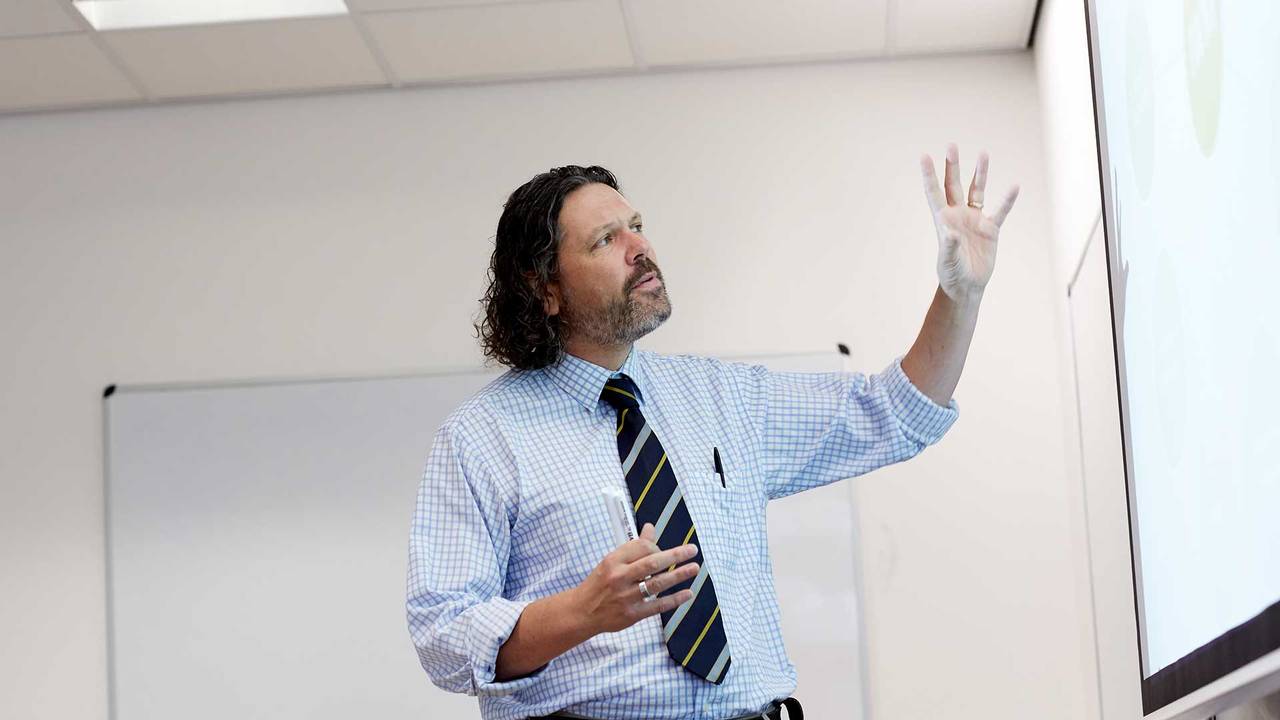 Outstanding teaching
Harper Adams University has a long and distinguished history as the UK's leading specialist in higher education for agriculture and the wider land-based and rural industries.
Outstanding teaching
Harper Adams University has a long and distinguished history as the UK's leading specialist in higher education for agriculture and the wider land-based and rural industries.
 The Library
Find advice on using the Harper Adams library and services, and finding information relevant to your studies.
The Library
Find advice on using the Harper Adams library and services, and finding information relevant to your studies.
 Research degrees
Take on bigger challenges with an MRes, MPhil or PhD. Discover our programmes, facilities and funding options.
Research degrees
Take on bigger challenges with an MRes, MPhil or PhD. Discover our programmes, facilities and funding options.
We use cookies to ensure that we give you the best experience on our website. If you continue without changing your settings, we'll assume that you are happy to receive all cookies on the website. However, you can change your cookie settings at any time.