Each year, hundreds of students graduate from Harper Adams University eagerly awaiting the opportunity to apply what they’ve learned during their studies into the workplace.
BSc (Hons) Agriculture with Animal Science alumna, Minnie Cooke graduated from Harper Adams in 2025, whilst landing a graduate scheme at ABP UK as a Digital Workplace Engineer.
In this guest blog, she talks us through her time spent at Harper Adams, how studying with us has helped shape her career and what she’s up to now.
My name is Minnie Cooke, and I graduated from Harper Adams University with a First Class BSc (Hons) Degree in Agriculture with Animal Science.
I chose Harper Adams because of its strong reputation in the agricultural sector and its focus on practical, hands-on learning.
I’m originally from Ballykelly in Northern Ireland but I don’t come from a farming background, so the friendly atmosphere with practical learning opportunities was a big deal for me.
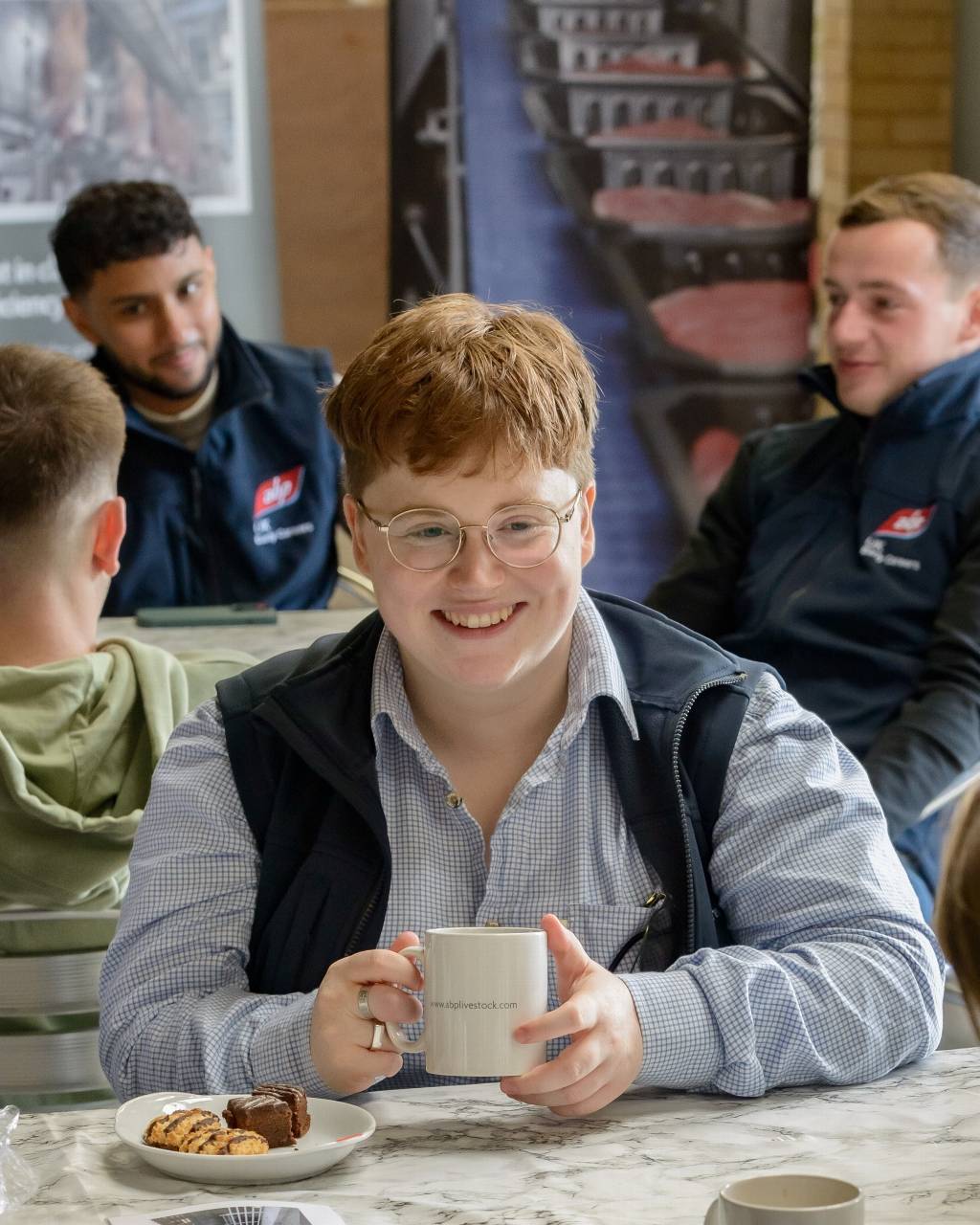
I liked that I’d be able to learn in different environments – in lectures, on the university farm, and out on industry placement – rather than just from a textbook.
Harper’s focus on innovation in agriculture also really appealed to me. I wanted a course that combined the science with what’s actually happening on farms and in the wider agri-food industry.
My degree gave me a solid grounding in both the science and the practical side of agriculture. Modules, research projects and placement all helped me understand what actually happens on farms and in the supply chain, not just the theory.
On top of that, I developed skills in research, communication and problem-solving – things like analysing data, explaining technical ideas clearly, and working with different stakeholders. Those are skills I use every day in my current IT role in the agricultural sector, especially when I’m trying to improve systems or explain tech changes to non-technical users.

I also really enjoyed the guest lectures, especially one where speakers from Denmark came to talk about heatmapping in livestock housing. It was a great example of how technology and data can be used in a very practical way to improve animal welfare and farm performance.
Some of my fondest memories are from when I was the Students’ Union photographer, because it meant I got to see every side of student life – from sports and societies to nights in the SU and graduation days. Harper Adams is a great environment to build confidence and figure out where you fit.
One of the other highlights for me was working as a Student Ambassador. I helped organise events like Future Farming Day for local school children, where we gave farm tours, talked about careers in modern agriculture and even got them to try insect proteins – seeing their reactions and questions reminded me why this industry has so much potential.
Since graduating, I’ve joined the ABP UK graduate scheme in a digital workplace engineering role.
Day to day, I work with site IT operations, supporting both factory and office users. I’m involved with a mix of hardware, software, traceability systems and bespoke factory floor applications, helping to keep things running smoothly and reduce downtime where possible.
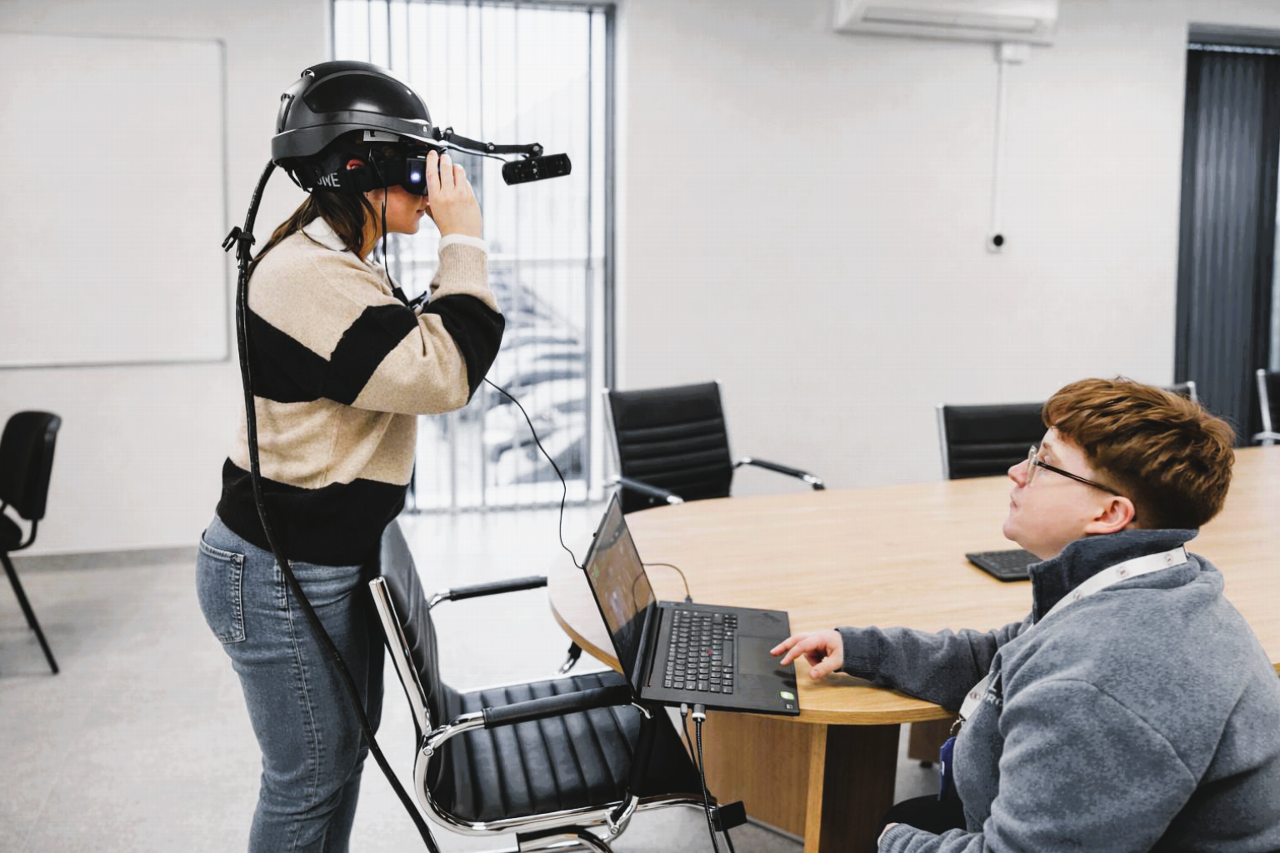
It’s a busy, fast-paced environment, but I enjoy being in a role where I can bridge the gap between traditional agriculture and modern technology and see the impact of that on the ground.
My advice to anyone considering Harper Adams, and the sector more widely, would be to make the most of the practical side of the course like time on the farm, placements, research projects, and talk to people: lecturers, visiting speakers, students in other years. Don’t be afraid to ask “basic” questions; that’s usually where you learn the most.
I’d also suggest looking into graduate schemes like ABP’s. They offer structured training, support and a group of peers starting out at the same time as you, which makes the transition from university into work a lot easier.
Agriculture is changing quickly, and there’s a growing need for people with skills in areas like technology, data and innovation, as well as the more traditional roles.
If you’re interested in things like sustainability, animal welfare, food production or IT, there’s likely a place for you in this sector. You don’t have to come from a farm or know everything before you start – what matters is being curious, willing to learn and ready to get stuck in.

 Pride and Prejudice: Why Pride Matters in 2026
At Harper Adams University, we believe everyone should feel respected, supported and able to be their authentic selves.Through the Students& …
Posted 24 June
Pride and Prejudice: Why Pride Matters in 2026
At Harper Adams University, we believe everyone should feel respected, supported and able to be their authentic selves.Through the Students& …
Posted 24 June