

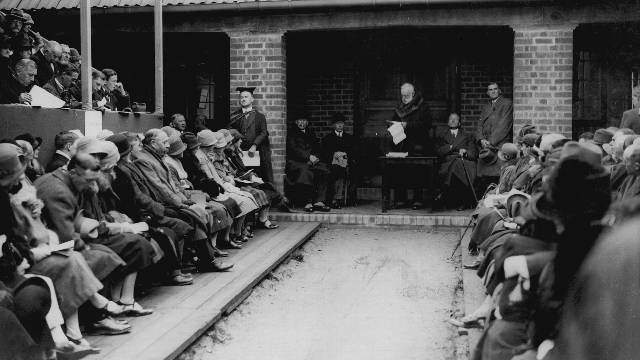
 The National Institute of Poultry Husbandry at 100 - rediscovering an eye witness account
To mark the Centenary of the opening of National Institute of Poultry Husbandry at Harper Adams, we’re sharing a contemporary acc …
Posted
Today
Dr Stephen Mansbridge is Reader in Animal Science and Bioinformatics at Harper Adams University as well as Director of the Animal Science Research Centre and the leader of the Pig, Poultry & Aquatic Animals Group.

In this blog marking 100 years since the formal opening of the National Institute of Poultry Husbandry (NIPH) Stephen looks back at the history of poultry and poultry research at Harper Adams.
For more than 100 years Harper Adams has been leading poultry teaching and production innovations.
From the establishment of Harper Adams in 1901, poultry provision grew rapidly with the introduction of the poultry department in 1909 and laying egg experiments from 1912.
Having been established in 1924, in November 1926, Harper Adams formally opened the National Institute of Poultry Husbandry (NIPH), awarding the National Diploma in Poultry Husbandry for 65 years until September 1991.
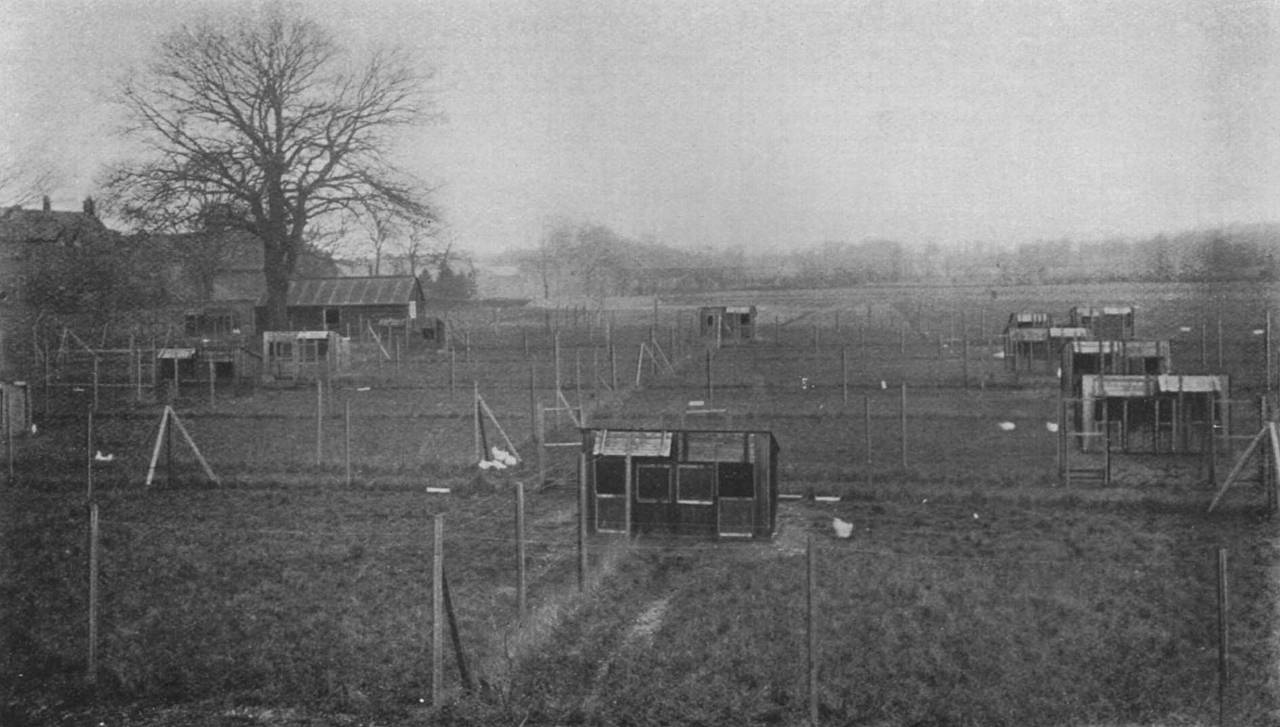
An early view of egg laying trials
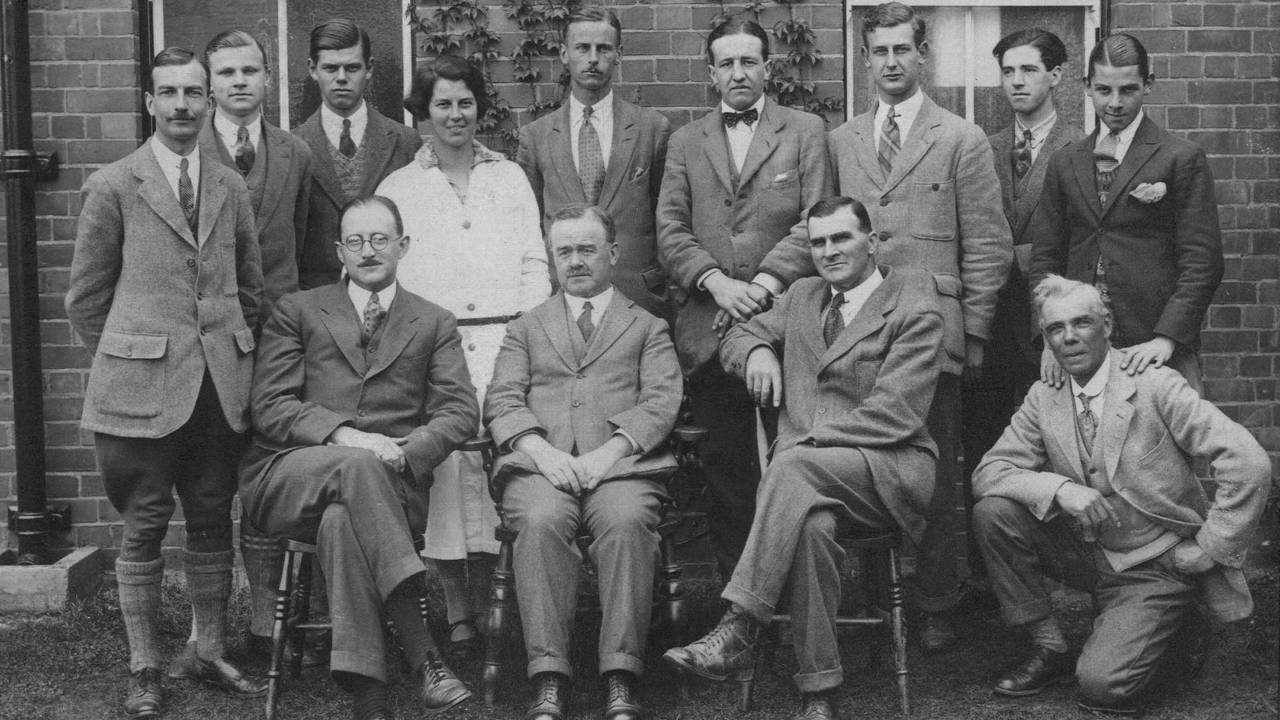
First poultry course at the NIPH.
Staff in front row from left: Professor Willard Thompson, Dr Charles Crowther, Herbert Howes, Mr Dixon.
Staff in second row from left: FC Bobby (fifth), W. King Wilson (eighth.)
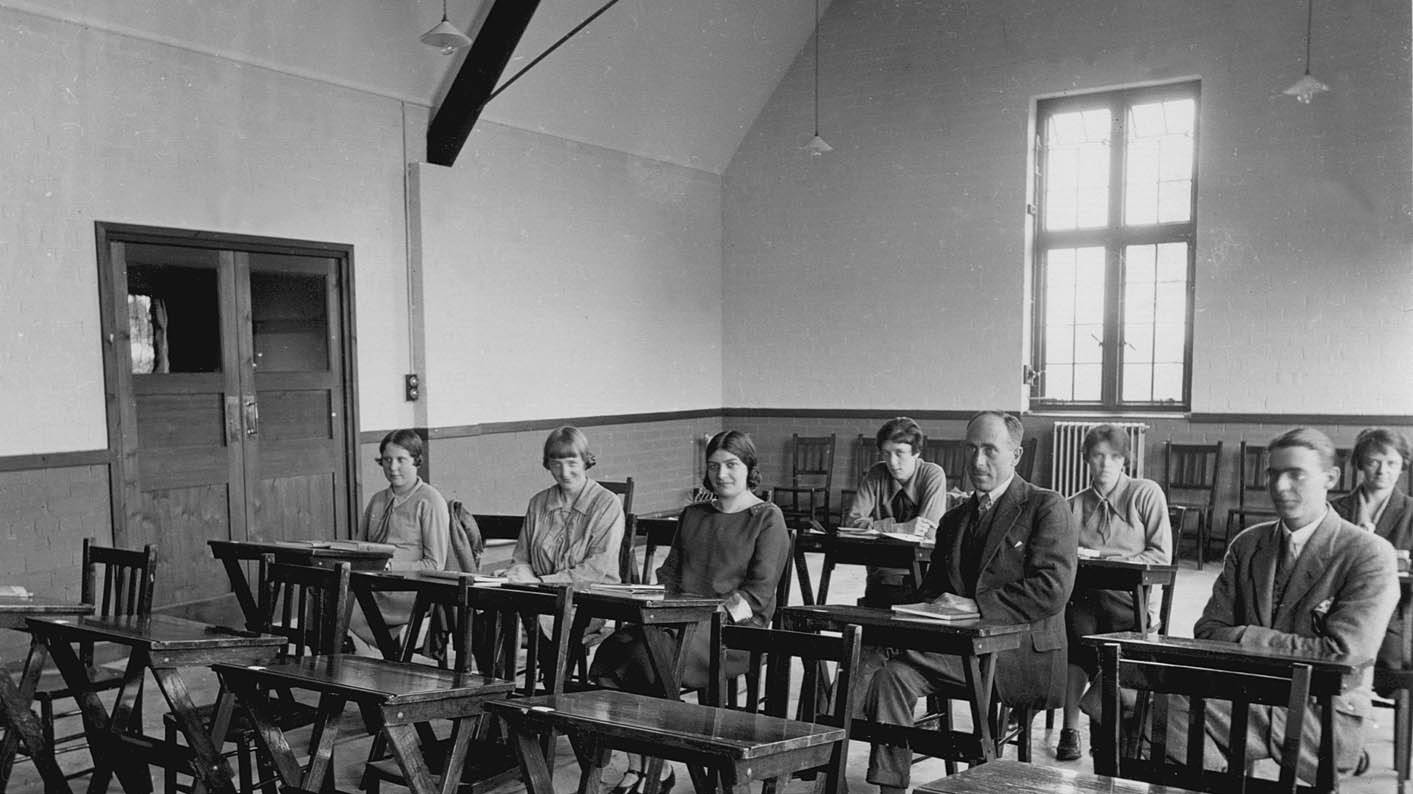
Poultry students in the NIPH Lecture Room c1929
In 1948, NIPH was once again incorporated as a Poultry Department within Harper Adams Agricultural College - although retaining the NIPH name - featuring more than 7000 birds, including chickens, ducks and turkeys.
Major upgrades came in the 1960’s with a large grant from the Ministry of Agriculture to build new teaching blocks - today known as A, B and C blocks - and then a Poultry Husbandry Experimental Unit with a grant from the British Egg Marketing Board (BEMB) in 1966. At this time, NIPH was resourced with 12 members of staff and 10 academics.
Responsibility for financing poultry research transferred to Harper Adams in 1971 following the demise of the BEMB. The 1970’s saw clearer demarcation of the commercial poultry enterprises which were expected to be self-supporting and the demonstration and research units which required subsidising.
In the 1980’s this separation resulted in Harper Adams operating mostly commercial egg production facilities, which by the year 2000 peaked at 85,000 laying hens - and included a feed mill.
Poultry teaching moved to focus exclusively on higher education awards in 1991 when the NIPH poultry research unit was subsumed into the Animal Production and Science (APAS) Department. Poultry research continued through the 1990’s and 2000’s largely funded by industry grants.
Conditions to enhance the welfare of hens in conventional cages, and subsequent banning of unenriched cage systems in 2012 were introduced in The Welfare of Farmed Animals (England) Regulations 2007. With this impending legislation, Harper Adams began renting the commercial egg production facilities to a commercial poultry company.
By 2011, they were operating a 72,000-bird enriched colony cage system and had converted the relatively small free-range layer facility at Harper Adams University College into a barn system. These facilities supported undergraduate poultry teaching at Harper Adams, providing easy access to commercial scale chicken egg production across multiple production systems.
In the following decade, the barn-rearing layer system was taken out of production a few years after conversion. In 2011, poultry research at the now Harper Adams University was modernised by the development of a new facility located near the NIPH hatchery.
All poultry research was transferred to this facility by 2014 with the last of the old poultry buildings opposite CERC demolished in 2019 to be replaced by the new Harper Keele Vet school building.
From 2013, the University was providing taught postgraduate courses in Poultry Business Management, and from 2015, awards in Poultry Production.
The last intake for these courses was in 2018, with the last MSc Poultry Production student awarded in September 2021. Commercial egg production effectively ended in 2019 with the last destocking of the commercial layer facility and removal of cages in November 2022, following the 2020 COVID pandemic and associated restrictions.
Responsibility for the NIPH effectively moved to the Agriculture & Environment Department in 2020, following the transformation of the Department of Animal Production, Welfare and Veterinary Sciences into the current Department of Animal Health, Welfare and Behaviour.

The poultry facilities and technical support provision moved to the University's Future Farm upon its creation in July 2022, with NIPH retained as the research arm of Future Farm Poultry.
Resourcing of academic staff remained with respective academic departments and schools.
From 2014 – 2026, poultry teaching and research at the University was principally conducted in one physical biosecurity area housing around 3000 birds a year, comprising of a series of buildings including laying hens - 120 enriched cages; around 900 hens - and broiler chickens, with small provision for turkeys and other minor species as required.
Flocks were purchased exclusively to meet research contracts, with no commercial contracted production.
Today the funding model for poultry research has again shifted from the predominantly commercially funded poultry nutrition trials model of the 1990s to the publicly-supported (UKRI) portfolio of the 2020’s, following the regulation of the university sector in the Higher Education and Research Act 2017 and subsidy reforms to farming through the Agriculture Act 2020.
The global poultry industry faces both common and localised threats and opportunities. Endemic and exotic poultry diseases such as Avian Influenza require research to understand and develop solutions on a global scale.
Environmental concerns relating to deforestation and land use and carbon capture require research to continually improve feed efficiency, poultry genetics and feed materials.
Foodborne pathogens, antimicrobial resistance and bird welfare continue to be of societal concern worldwide, whilst the global demand for poultry products grow year on year.
With more than 100 years of poultry expertise, Harper Adams University is well established to provide trusted and independent research, teaching and knowledge exchange recognised as internationally excellent.
Related Posts
The National Institute of Poultry Husbandry at 100 - rediscovering an eye witness account
To mark the Centenary of the opening of National Institute of Poultry Husbandry at Harper Adams, we’re sharing a contemporary acc …
Posted
Today
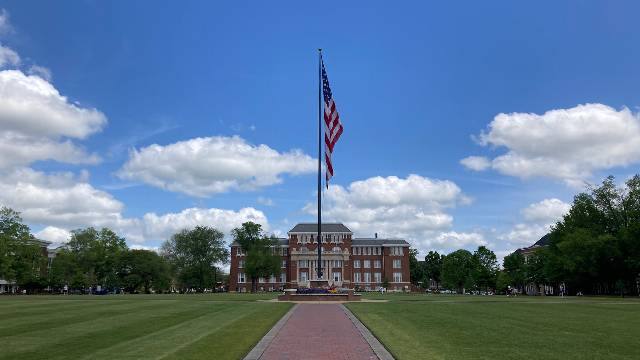 Agricultural Autonomy Institute joins Harper Adams University's 125th anniversary celebrations
A leading American expert in agricultural autonomy has paid tribute to Harper Adams University as it marks its 125th anniversary.Dr Alex Tho …
Posted 22 October
 Sky's the limit: Helen joins MP's fundraising parachute jump
A charity skydive by a Harper Adams University Business Development Consultant has helped raise more than £16,000 for a new cancer cen …
Posted 21 October
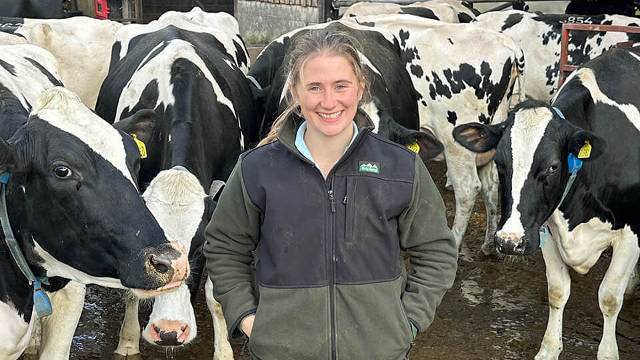 From dairy farm - to farm vet
Growing up on a dairy farm played a huge part in shaping Harriet Brimacombe’s ambition to become a vet. Now, as she prepares to …
Posted 20 October