

 PhDs are loading! MIBTP funded PhD opportunities at Harper Adams open now!
We are delighted to announce that we again have a number of exciting funded PhD opportunities at Harper Adams University and lots of those a …
Posted 12 October
A year in the life of a PhD researcher – what’s it like?
11 November 2026
By PhD student, Ffion Lewis
If you ask a PhD researcher, ‘what’s it like?’, I can assure you that you will get a different response from every individual that you ask. Every PhD is different and follows a path that is somewhat dictated by the researcher themselves. However, I can also assure you that the similarities between responses will no doubt reflect the avidity and fulfilment that researchers get from pursuing their chosen topic of interest.
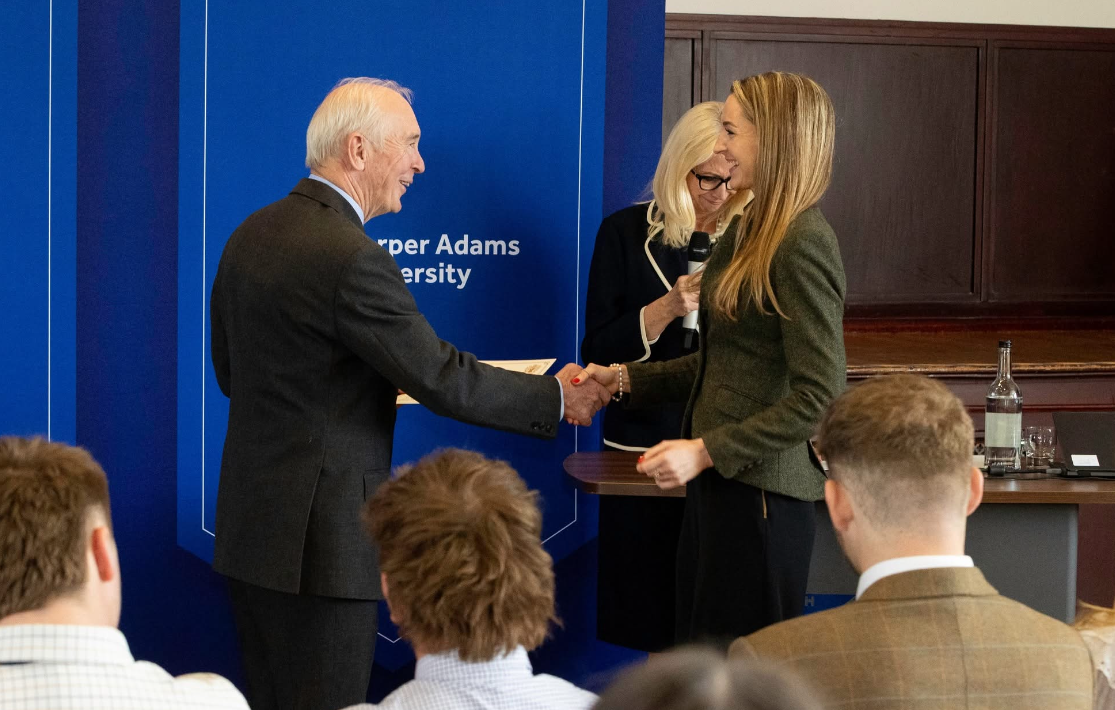
To give a snippet of what a PhD is like, I thought I’d share what I’ve been up to over the past year. To begin with, I attended the Development Trust Scholarship Presentation at Harper Adams University, where I received the Barham Benevolent Foundation Scholarship to carry out my research to improve the health and welfare of dairy calves during the preweaning period. This allowed me to develop the pilot study that I have been working on over the summer months. As part of my studies are focussed on assessing and developing calf feeding strategies, I have been trialling a textured feed containing nutritionally improved straw to investigate calf performance and milk metabolizable energy deficits. This outdoor work at the Future Farm Calf Pad took place during THREE national heatwaves…but at least I did get a decent ‘farmer tan’.
Aside from research and data collection, I attended the Hannah Dairy Research Foundation Conference at Moredun Research Institute (as featured in a previous ABaW blog), the National Youngstock Conference and DairyTech. Through these events, I have been exposed to the latest advances in youngstock and dairy research. This has not only allowed me to understand emerging topics and developments, but has filled my head with ideas for my own research going forward. I would most definitely suggest that attending conferences and events in a relevant field of research is a priority for Early Career Researchers, as I have found that doing so helps to maintain enthusiasm and boosts momentum during particularly challenging periods of the three-year course.
In terms of showcasing my research, I have had the opportunity to present my initial findings from the pilot study to participants from China Agricultural University during the first HAU International Summer School. This was an incredible opportunity, as I was able to discuss ongoing projects in dairy research on the other side of the world. Additionally, I presented my calf research at the HAU Annual Research Conference last September. I thoroughly enjoyed participating in the conference, although presenting to fellow colleagues and supervisors was rather daunting, as it gave me an opportunity to explain the work completed at the Calf Pad to academics within other departments. I have now submitted an abstract of the completed project to the British and Irish Society of Animal Science Conference 2027 in Dundee.
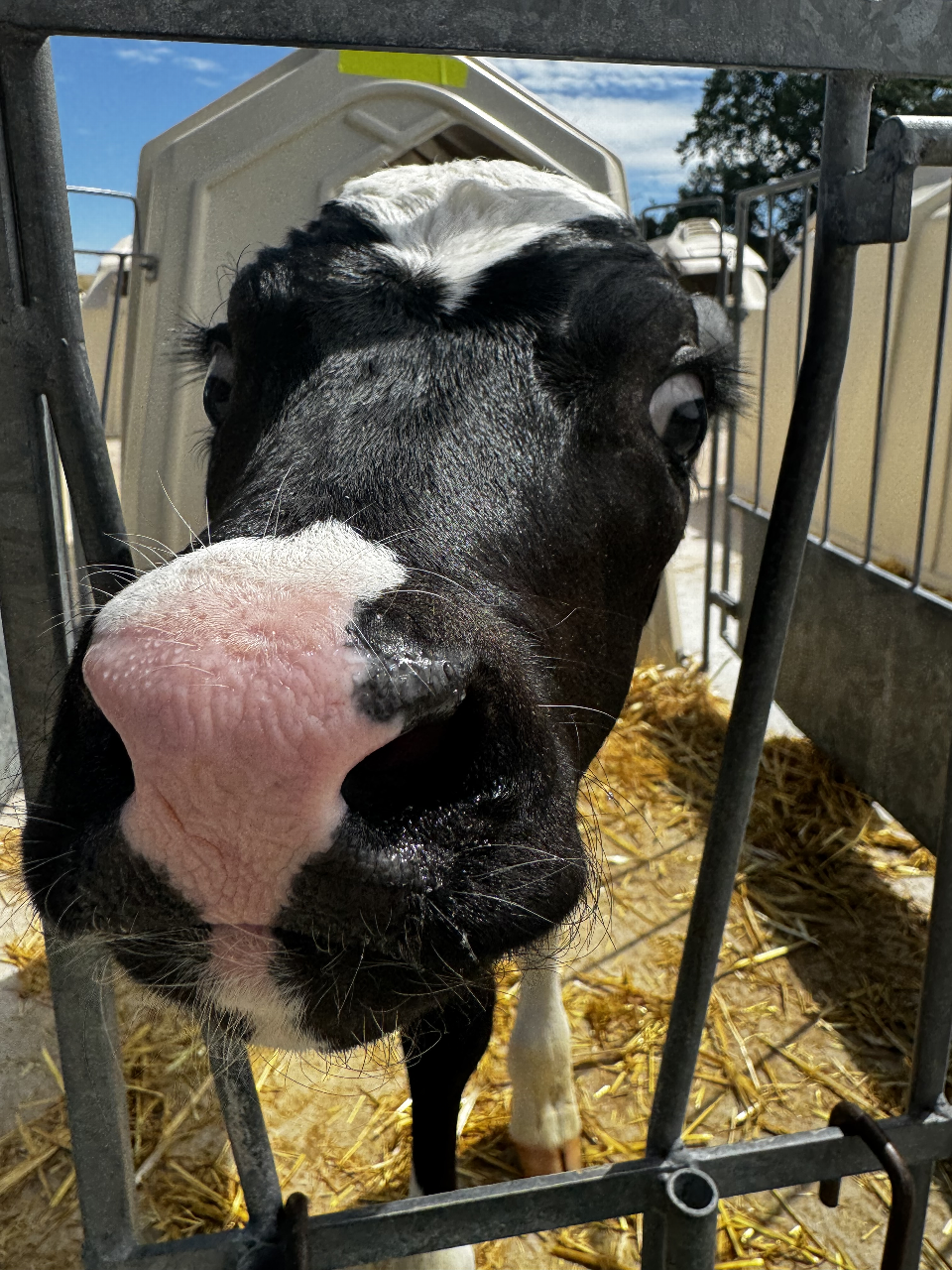
So, a PhD is evidently full-on. However, it is exciting, stimulating and fuels my enthusiasm for improving ruminant health and welfare. Although every PhD is indeed different, and comes with peaks and troughs of successes and discouragement, I would definitely recommend undertaking a PhD programme to those wishing to develop their career in academia or research. A supportive network to help you through, such as that at Harper, is the added bonus. Did I mention that new PhD opportunities have recently been advertised on the Harper website?
Related Posts
PhDs are loading! MIBTP funded PhD opportunities at Harper Adams open now!
We are delighted to announce that we again have a number of exciting funded PhD opportunities at Harper Adams University and lots of those a …
Posted 12 October
 A strong HAU presence at the Animal Welfare Research Network’s 10th Annual Conference
By the Harper Adams University Animals in Education Research Team This year marked a decade of the Animal Welfare Research Network …
Posted 8 October
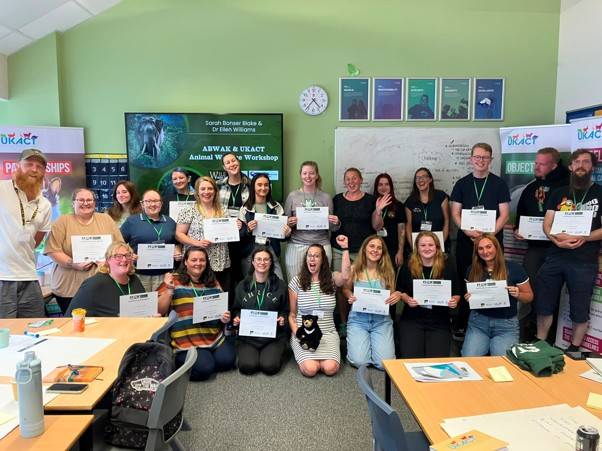 Delivering the first joint ABWAK and UKACT workshop, with Wild Welfare
By Dr Ellen Williams August saw an exciting opportunity for me to co-deliver a workshop on animal welfare in zoos. Sarah Bonser-Blake, …
Posted 18 September
 Showcasing Harper Adams at the UKACT Annual Conference 2026
By Dr Ellen Williams "Harper Adams are very well represented this year, aren’t they?"What a fabulous thing to hear at the UKACT A …
Posted 28 August