Loading search...
Loading search...
Loading site search...
Loading site search...
Loading site search...
Loading...
Loading site search...
Loading site search...
How many times has a workforce been asked to come up with creative and innovative ideas and to think ‘outside the box’?
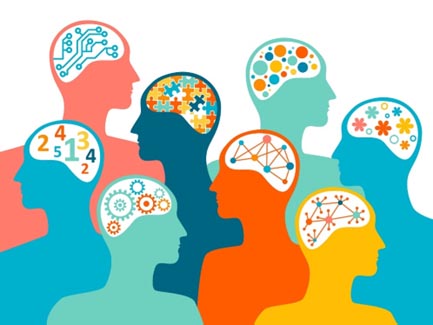
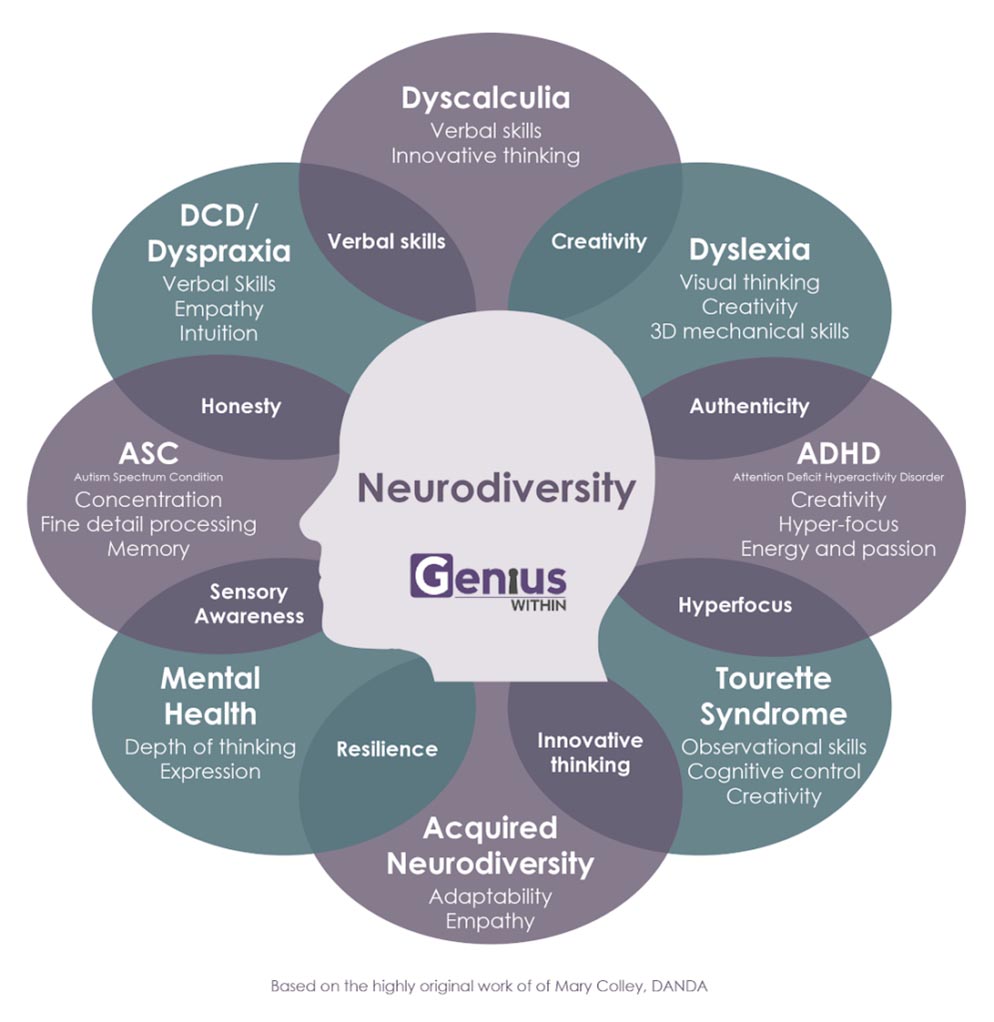
Neurodiversity acknowledges that each person’s brain is unique. Our brains work and interpret information differently and that we all bring individual experience, strengths and assets to a situation.
At the heart of neurodiversity is the idea that individual differences are not weaknesses, but that society imposes expectations based on a majority neurotypical population.
The aim of this support resource is to provide those involved with training student veterinary nurses with an understanding of neurodiversity so that they may better support students with different neurotypes.
As well as general information to help develop understanding, this section will feature:
This resource should never replace talking to your student to find out about their strengths and weaknesses and any reasonable adjustments that they have found to benefit them. Everyone is individual, with individual needs.
Truth: Dyslexia exists in all cultures and across the range of abilities and socio-economic backgrounds. There is a wide range of research evidence about dyslexia, carried out by experts across the fields of education, genetics, design and neuroscience.
Truth: As well as reading and spelling difficulties, people with dyslexia can also have difficulties such as short-term and working memory and processing speed. Other things that can be difficult are sequences, organisational skills and following directions.
Truth: While dyspraxia does involve coordination difficulties, it encompasses much more than clumsiness. It affects fine and gross motor skills, which can make tasks like writing, tying shoelaces, or even speaking challenging. It’s a complex neurotype with influences various aspects of life, including planning, organisation, and social interaction style.
Truth: While dyspraxia primarily affects motor skills, it also impacts other areas, such as:
Truth: Dyslexia is lifelong but the important thing to remember is that most people with dyslexia develop ways to overcome the difficulties. With the right support and inclusive learning and working environments, people with dyslexia can find new ways to achieve their full potential.
Truth: ADHD can affect every aspect of daily life. From education and work to relationships and social interactions. It can, and does, present considerable barriers that a neurotypical individual doesn’t have to contend with.
The problem with a neurotype like ADHD is that it’s ‘invisible’ and individuals can often present as neurotypical, which is more commonly known as ‘masking’. Masking is when an individual puts on a facade or a ‘mask’ to hide their neurotype in order to meet social norms.
This can lead to, or exacerbate, stress, anxiety, depression, low self-esteem, and burnout.
So yes, it is serious!
Truth: Dyspraxia is not linked to intelligence. People with dyspraxia have a range of intellectual abilities, just like the general population. However, the challenges we face can unfortunately sometimes lead to misconceptions about our cognitive capabilities. Individuals with dyspraxia can excel in most fields and should not be limited by discrimination.
Prior to going into practice, we communicate with all students to discuss if there is anything that has the potential to impact them whilst on clinical placement. Examples may include things like allergies, phobias, medical conditions and neurodiversity.
All university students are covered by the General Data Protection Regulations, (GDPR). As such, if they do not wish to share information about their neurodiversity, (or any other condition) we cannot go against their wishes or force them to do so unless there is deemed to be a significant health and safety risk.
However, all students are counselled on the benefits of sharing such information with their clinical placements and it is now very rare that a student does not give us permission to share this information with you, or contact you themselves to discuss this.
All information to be shared will be put into the electronic placement support pack that is sent to the clinical coach prior to the student commencing placement. This will also contain details about any difficulties the student may experience, any recommended reasonable adjustments and any techniques that the student currently uses to assist them.
The relevant placement manager may also call the practice to discuss a student’s neurodiversity with the clinical coach prior to them commencing placement.
All students and clinical coaches have an allocated member of our clinical placement team, (called an Internal Quality Assurance Verifier or IQAV), to provide quality assurance and support during placement. All contact details for the team can be found in the first section of this placement platform. The IQAV will be in regular contact with the clinical coach and student throughout placement and will also arrange to visit, (a minimum of once during the ten-week placement, and a minimum of twice during the sandwich year placement). Additional support will be implemented as required on an individual basis.
As with any student, an induction followed by regular opportunities to review progress, receive feedback and plan future training is expected. During an initial induction, we always advise discussion to include topics such as how the student learns best, methods they find do not work for them, and any reasonable adjustments that can be implemented to help them within the clinical environment.
Students will also continue to have access to our specialised learner support, academic guidance and wellbeing teams throughout placement. Just because they are not on campus, does not mean this support isn’t available.
In addition, the placement managers, course managers and course tutors are also available to help and provide support.
Autism is a lifelong developmental disability which affects how people communicate and interact with the world. More than one in 100 people are on the autistic spectrum and there are around 700,000 autistic adults and children in the UK.
As well as their individual strengths and talents, autistic individuals often demonstrate above-average skills in some or all of the following areas:
This means an autistic person may well be better at a particular job than someone who is not autistic. By gaining an understanding of autism, you can open up new possibilities for your organisation.
However, autistic employees may need some small adjustments to help them succeed within the workplace
Employing an autistic person demonstrates your organisations commitment to equality and diversity and shows a positive attitude to disabled people. Having a diverse workforce brings benefits to staff and business alike, and managers and colleagues often describe working with an autistic colleague as an enriching experience that encourages them to think more carefully about how they communicate, organise and prioritise their work, (National Autistic Society, 2024).
Autism is a spectrum condition and affects people in different ways. Therefore, people can have varying support needs. One third of autistic people also have a learning disability. The autism spectrum isn't linear and many people talk about the 'spiky profile.' This means an autistic person could be a leading expert on nuclear physics but unable to remember to brush their teeth or clean their clothes. With the right support in place, all autistic people should be able to live the life they choose, (National Autistic Society, 2024).
The following information aims to discuss the challenges that autistic students may face, along with suggestions of reasonable adjustments that you might wish to discuss with your student to see if they feel they would be beneficial.
Autistic people may have difficulties with interpreting both verbal and non-verbal language like gestures or tone of voice. Some autistic people are unable to speak or have limited speech while other autistic people have very good language skills but struggle to understand sarcasm or tone of voice. Other challenges may include:
Autistic individuals may require extra processing time for several reasons. First, many autistic individuals experience sensory processing differences which means they may need more time to process sensory information such as sights, sounds and touch. It may be that they are actually experiencing and processing more than a neurotypical person as they can’t filter out unwanted sensory information.
Second, autistic individuals often have unique ways of thinking and perceiving the world. They may process information in a non-linear or non-traditional manner, which can require more time to organise and interpret the input they receive.
Third, language processing can be different for autistic individuals. They may take longer to understand and respond to verbal communication, especially in complex or overwhelming situations. Interestingly, there is a school of thought that suggests those with autism process each word individually rather than as a sentence. This also explains why it’s easier for autistic individuals to take things literally.
Fourth, many autistic individuals may experience challenges with executive functioning, which can impact their ability to plan, organise and manage tasks. This can result in the need for additional time to process and respond to information and instructions, (The Autistic Teacher, 2024).
Finally, it’s important to recognise that each autistic individual is unique, and the reasons for needing extra processing time may vary from person to person. Understanding and respecting these differences is crucial for creating an inclusive and supportive environment for autistic individuals, (The Autistic Teacher, 2024).
Autistic people often have difficulty 'reading' other people - recognising or understanding others' feelings and intentions - and expressing their own emotions. This can make it very hard to navigate the social world. Autistic people may:
(National Autistic Society, 2024)
Consider implementing the following support:
Processing everyday sensory information can be difficult for autistic individuals. Any of their senses may be over, or under sensitive, or both at different times. These sensory differences can affect how they feel and act and can have a profound impact of an individual’s life.
Sometimes an autistic person may behave in a way that you wouldn't immediately link to sensory differences. A person who finds it difficult to process everyday sensory information can experience sensory overload, or information overload. Too much information can cause stress, anxiety, and possibly physical pain. This can result in withdrawal, distressed behaviour or shutdowns.
"If I get sensory overload then I just shut down; you get what's known as fragmentation... it's weird, like being tuned into 40 TV channels."
If someone is shutting down, or not responding, please do not judge them. There are things that you can do to help. Often, small changes to the environment can make a difference. Creating a sensory profile may help you to work out what changes are needed. Three points to remember are:
The following information will discuss the effects of hypersensitivity or hyposensitivity on the senses which may be experienced by autistic individuals.
Hypersensitivity in autism refers to an exaggerated response to sensory input, where stimuli like light, sound, texture or smell feel overwhelming or even painful. This heightened sensitivity can lead to discomfort and anxiety. Understanding hypersensitivity is crucial for creating a supportive environment and knowing what might trigger anxiety or avoidance behaviours.
In contrast hyposensitivity refers to a reduced stimuli, which can lead individuals to seek out more intense sensory experiences.
Sight: Under-sensitive
Sight: Over-sensitive
Supporting your student
Is it possible to make changes to the environment, for example, reduce fluorescent lighting or providing sunglasses.If a workstation is required, is it possible to have divides on both sides to help block out visual distractions.
Sound: Under-sensitive
You could help by using visual support to back up verbal information, and ensuring other people are aware of the under-sensitivity so they can communicate effectively.
Sound: Over-sensitive
You can help by
Smell: Under-sensitive
Smell: Over-sensitive
Touch: Under-sensitive
Touch: Over-sensitive
You can help by
Our body awareness system tells us where our bodies are in space and how other body parts are moving.
Body Awareness: Under-sensitive
It can be helpful to use the ‘arm’s length rule’ to help with judging personal space.
Body Awareness: Over-sensitive
With its unwritten rules, the world can seem a very unpredictable and confusing place to autistic people. This is why they often prefer to have routines so that they know what is going to happen. They may want to travel the same way to work for example. Whilst it is appreciated that life in veterinary practice is unpredictable, it can be really useful for your student to have a basic plan for the day. Particularly challenging days may trigger anxiety.
Potential support could include:
Anxiety is a real difficulty for many autistic adults, particularly in social situations or when facing change. It can affect a person psychologically and physically and impact quality of life for autistic people and their families.
It is very important that autistic people learn to recognise their triggers and find coping mechanisms to help reduce their anxiety and look after their mental health, (National Autistic Society, 2024).
Read more about anxiety and mental health: Mental health (autism.org.uk)
A shutdown appears less intense than a meltdown to the outside world but can be equally debilitating. Shutdowns are also a response to being overwhelmed, but may appear more passive - for example, an autistic person going quiet or 'switching off'. One autistic woman described having a shutdown as: "just as frustrating as a meltdown, because of not being able to figure out how to react how I want to, or not being able to react at all; there isn’t any ‘figuring out’ because the mind feels like it is past a state of being able to interpret."
We use cookies to ensure that we give you the best experience on our website. If you continue without changing your settings, we'll assume that you are happy to receive all cookies on the website. However, you can change your cookie settings at any time.