
Cookies on the Harper Adams University website
We use cookies to ensure that we give you the best experience on our website. If you continue without changing your settings, we'll assume that you are happy to receive all cookies on the website. However, you can change your cookie settings at any time.

Photograph: Main Building builders 1900
1892 Thomas Harper Adams bequeaths estate
Thomas Harper Adams was a wealthy Shropshire gentleman farmer. On his death in 1892 he bequeathed his considerable estate 'for the purpose of teaching practical and theoretical agriculture'.
1901 Harper Adams College opens
The College opened to six students in 1901, with 49 by the end of the first academic year. In these early years, under the Principal Hedworth Foulkes (1901-22), student numbers grew steadily with a mixture of flexible full and part-time courses of varying durations being offered along with community-based education that was open to all who wished to improve their crop production and/or animal health, welfare and productivity. When it opened, the College consists of the Main Building, housing accommodation for the Principal, his family and 50 students, plus lecture and laboratory facilities for up to 100 students.
It also had a 178-acre farm on its doorstep, along with the early 1800s family farmhouse, Ancellor House and its associated farm buildings.
Scholarships were offered and fees are deliberately kept to a minimum to ensure that as many people as possible were able to benefit from studying at the new institution. A wide range of other services were also offered including personal development programmes for school teachers, crop and animal health advisory services for farmers and growers, veterinary and entomology advisory lectures, practical crop trials, machinery demonstrations.
The campus often hosted a range of local, national and international visitors, and demonstrations also took place at national and regional agricultural shows.

Photograph: The Main Building on opening c.1900
Early years
A specialist poultry husbandry department was created in 1909.
Egg laying trials, which started in 1912, earned the College a wide following.

Photograph: Students and staff 1907/08
Plan of the farm c.1908 showing location of farm buildings, pasture and crop fields
 The beginnings of the University Farm showing area planted up near Tudor Lodge/RFA c. 1905
 Football team 1905/06
 A typical student bedroom c. 1908
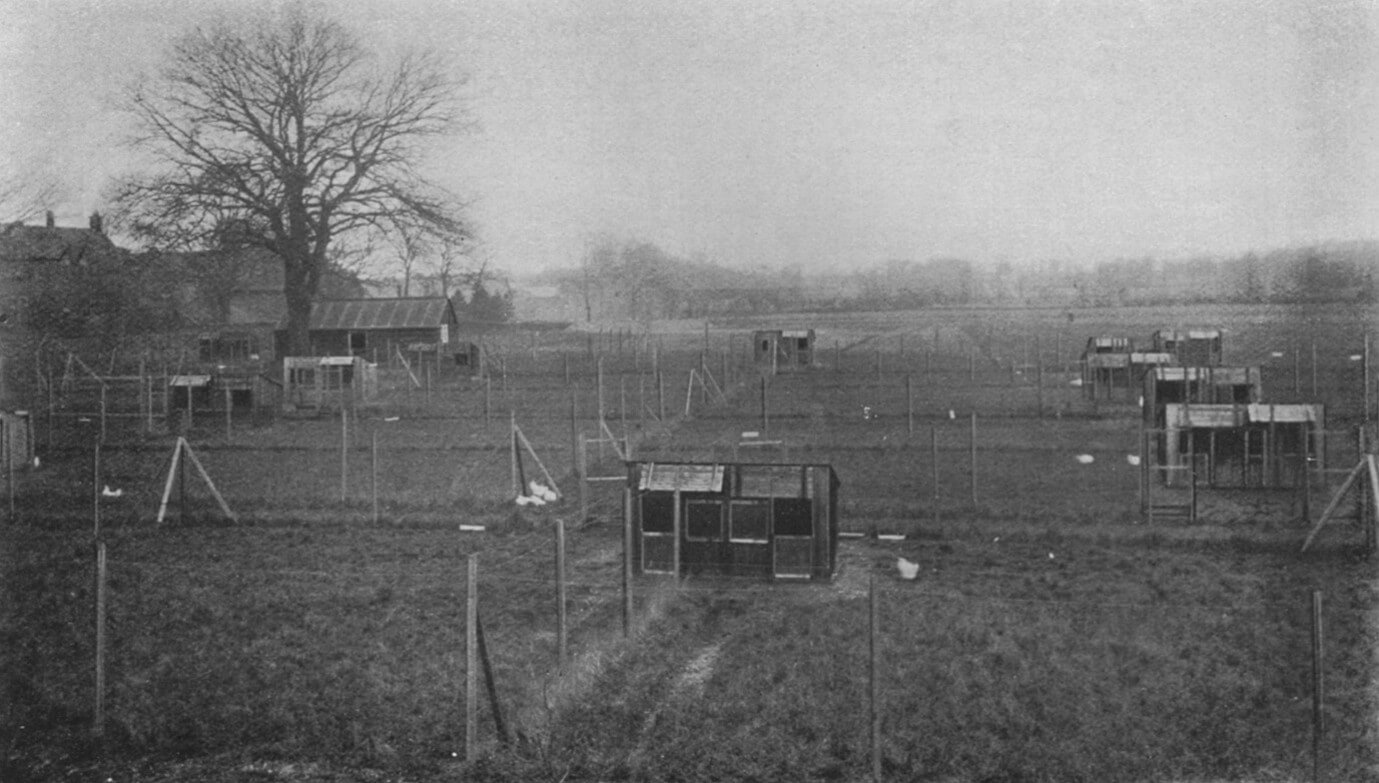 Egg laying trial pens for various poultry breeds 1916/17
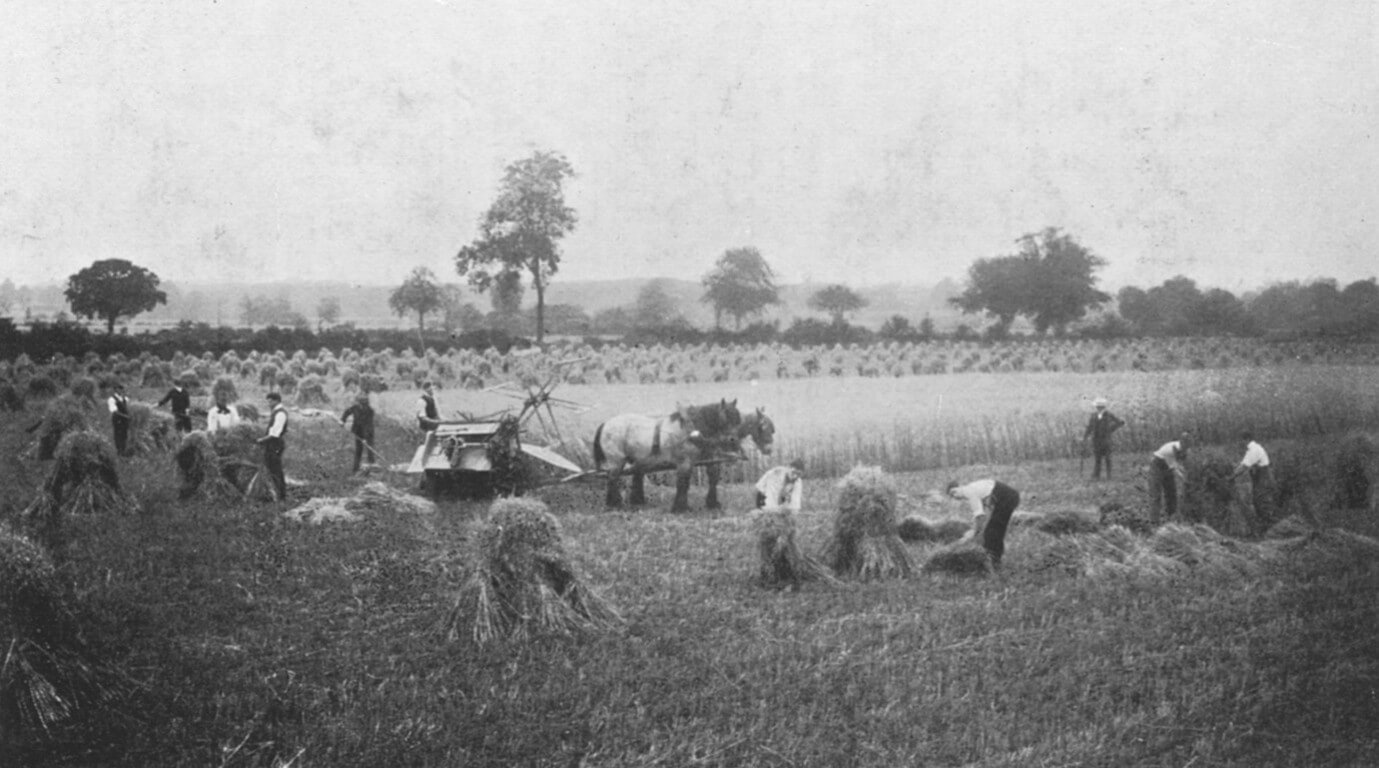 Harper Adams Farm harvest, 1905
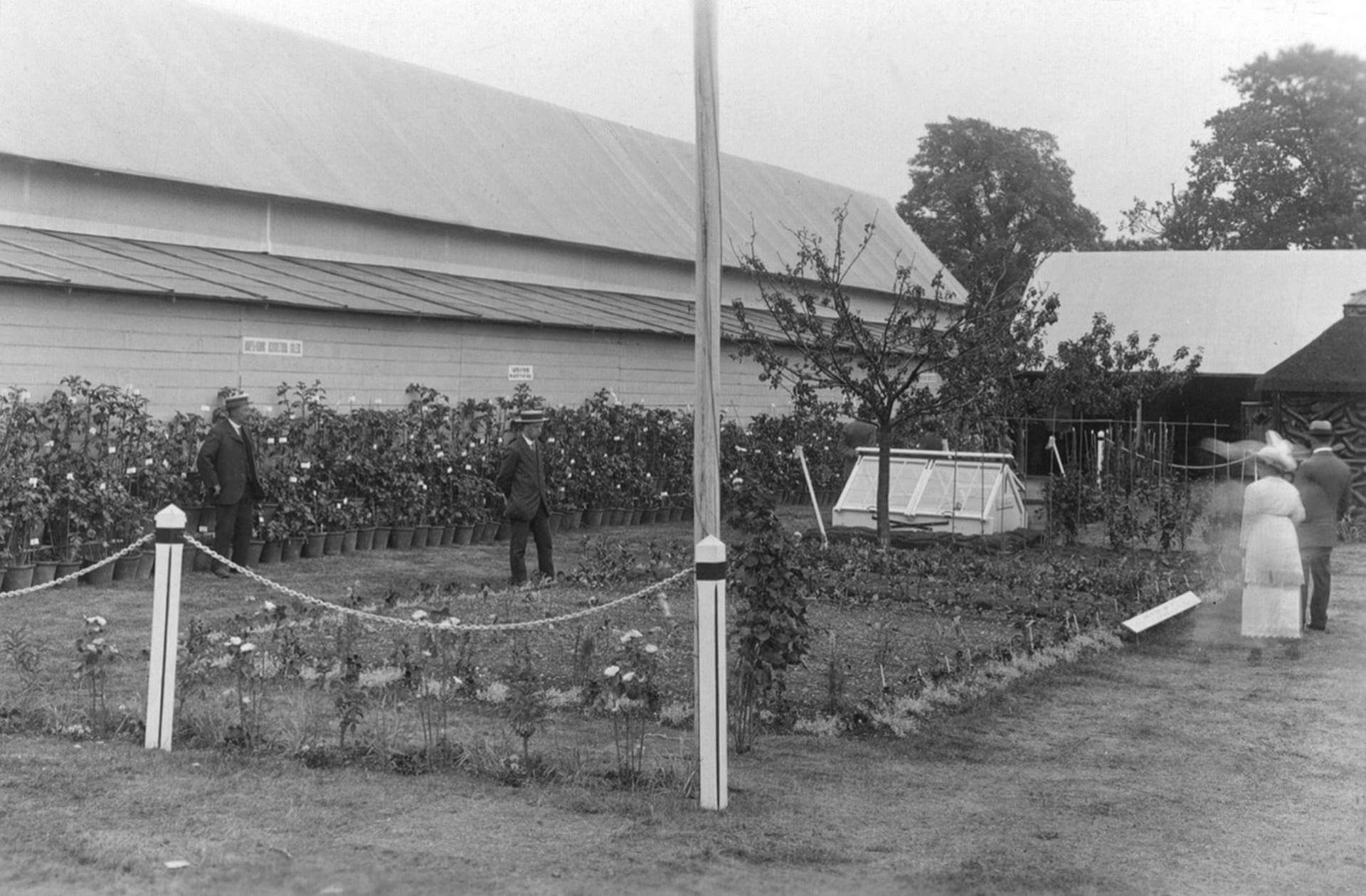 Exhibition of crop trial plots, the Harper Adams stand at the Royal Show, 1914
First World War
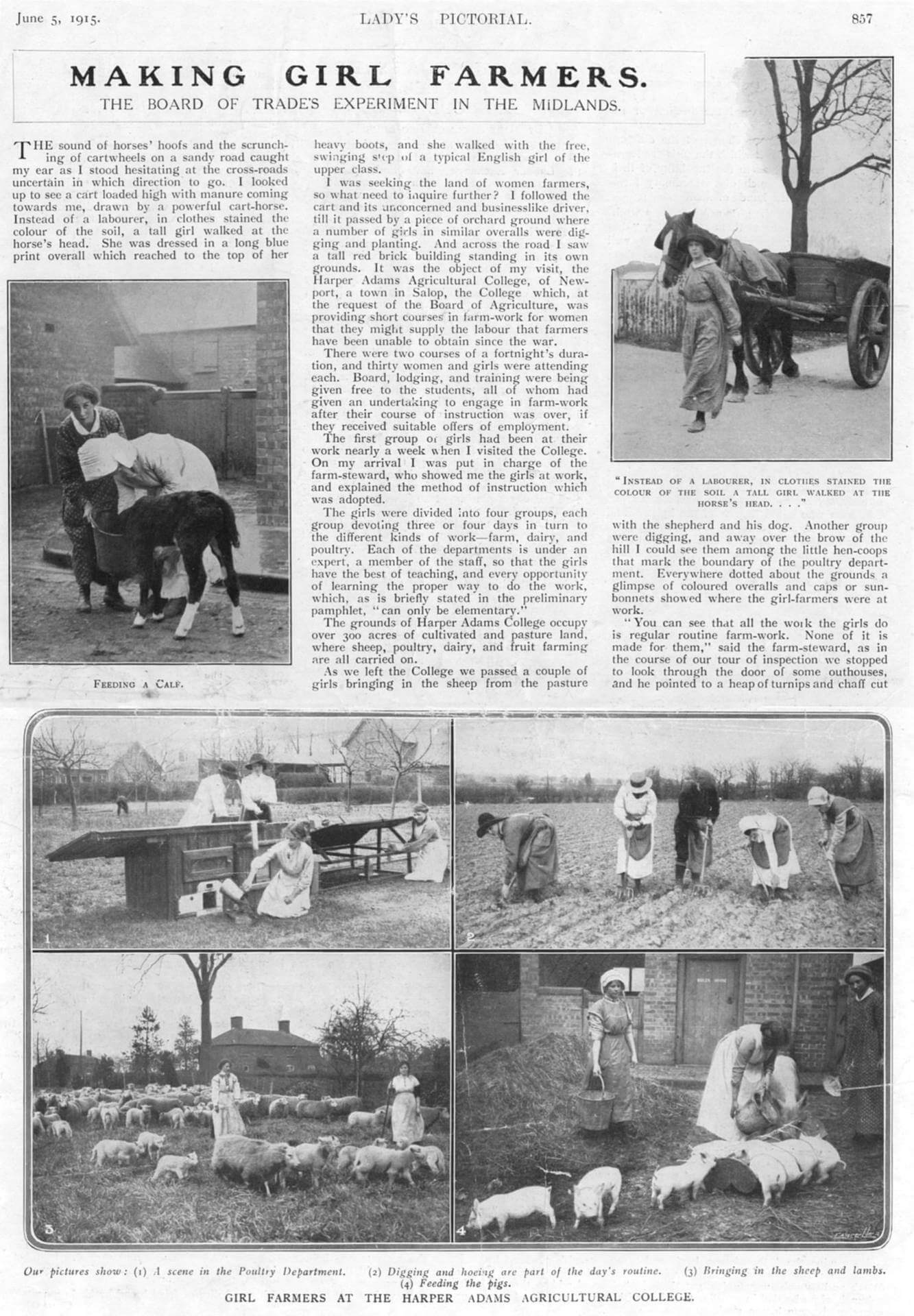
Harper Adams remained open throughout the First World War, fulfilling important duties such as the training of disabled soldiers, primarily in poultry husbandry. In April 1915 the College was significantly the first institution to provide courses for women in wartime farm work. In 1916, for the first time women enrolled at Harper Adams on full-time courses and were to remain until after the Second World War when priority of places went to discharged men. The College was also instrumental in providing a wide range of wartime services, such as giving members of the Women’s Land Army courses in tractor driving.

Photograph: Students at harvest time
Photograph: Feature on training of Women’s Land Army at Harper Adams: Lady’s Pictorial Magazine 1915
Photograph: Tractor driving course for Women’s Land Army WW1
Agricultural depression
After the First World War the fortunes of the College struggled to revive amid the agricultural depression of the 1920s and 1930s, despite the work of Principal Charles Crowther (1922-1944). Student numbers dipped dangerously low, with just forty-eight students in 1925-26.
The difficulties facing farming at this time did, however, strengthen support for the Advisory Services and the number of advisers at the College and the range of work that they undertook expanded dramatically. They also taught students, sharing their considerable experience and expertise and ensuring students were taught the very latest scientific techniques relating to animal and plant diseases and their control. The advisors also gave lectures to farming groups who visited the College, as well as travelling across the region to give lectures and talks in village halls and similar venues so their expertise could be shared widely with working farmers in particular.
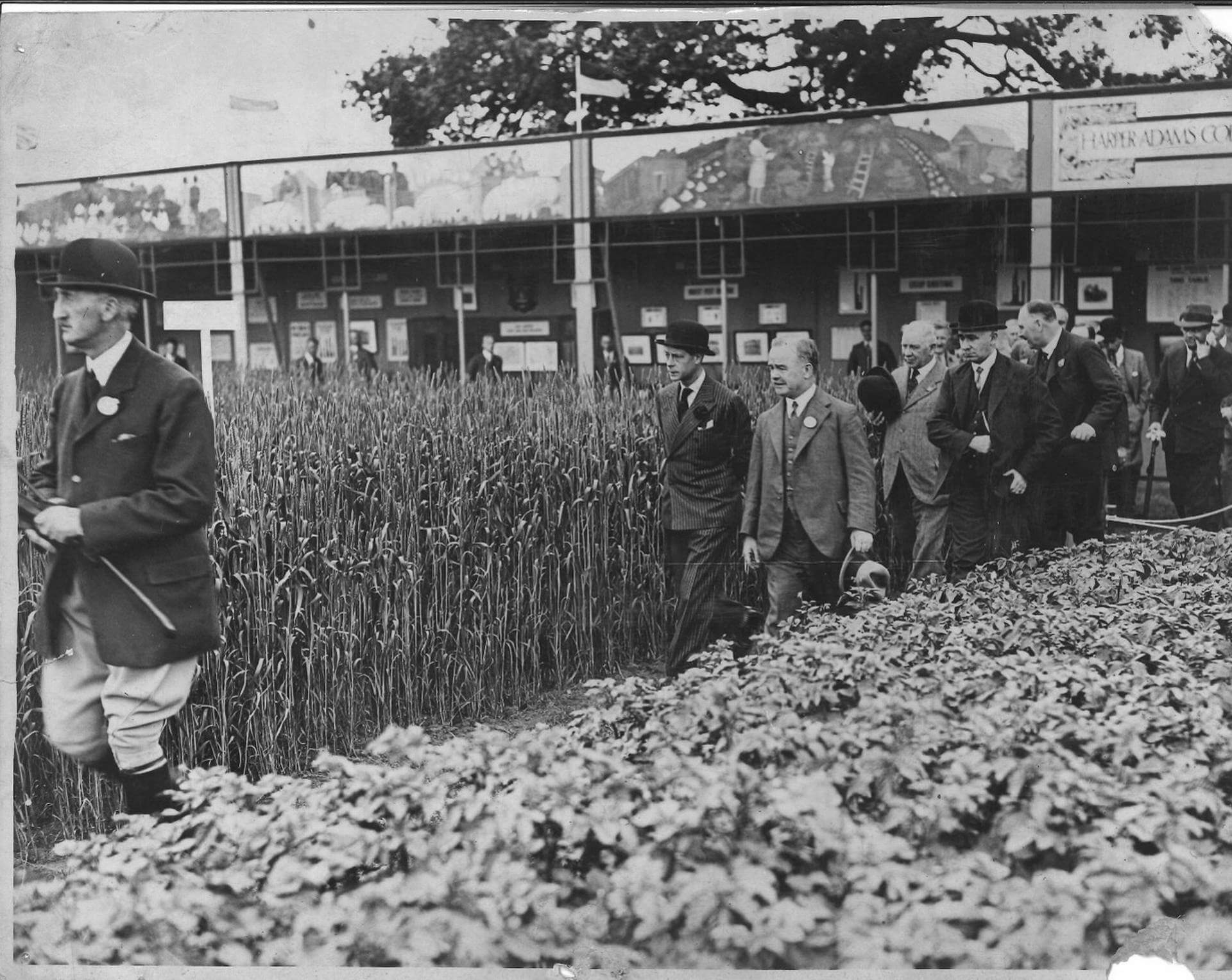
Photograph: Principal Crowther hosts a visit from HRH Edward, Prince of Wales to the Harper Adams Stand at the Royal Show, July 1931
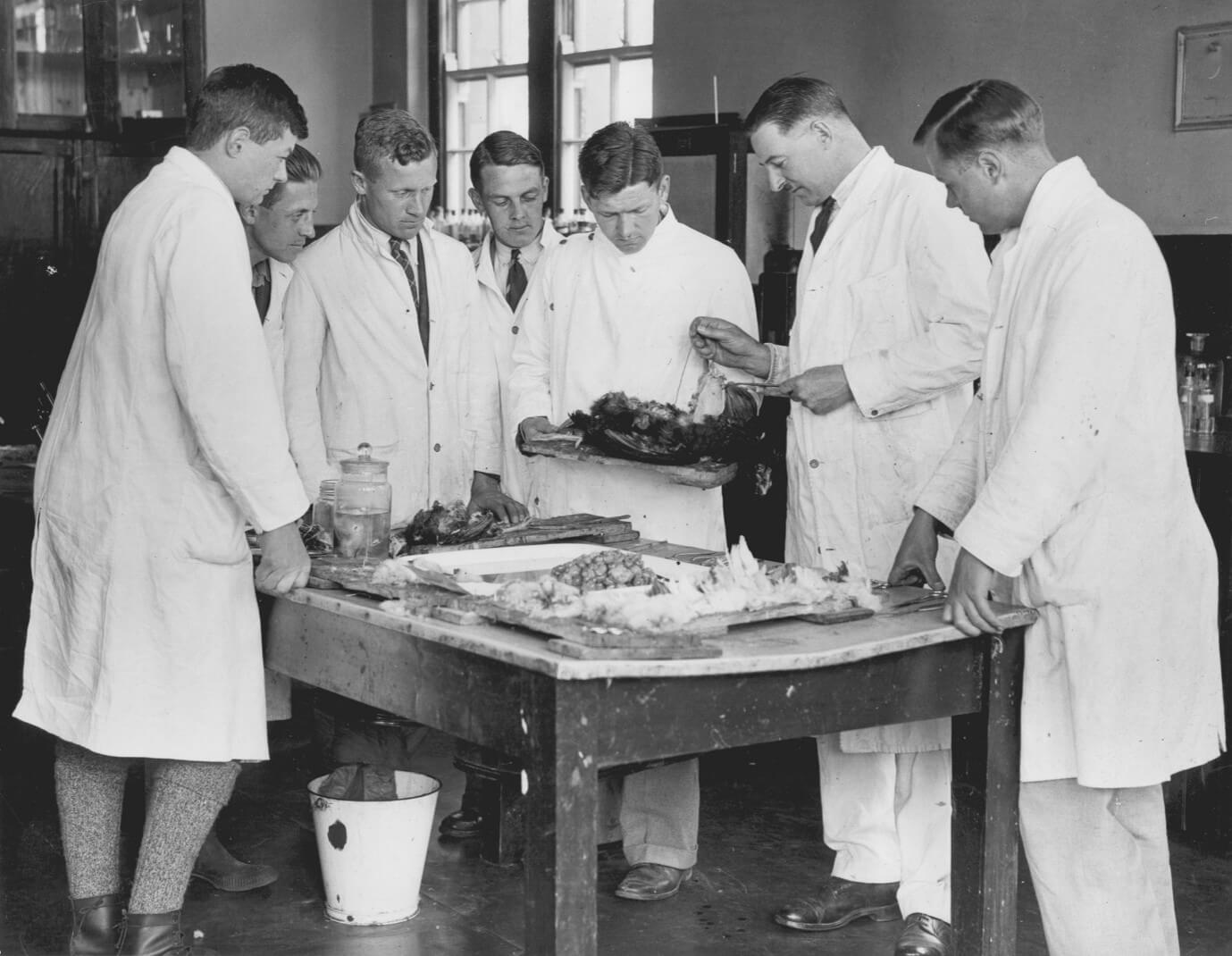 K Downham, Veterinary Investigation Officer, explaining disease of poultry to students in 1936
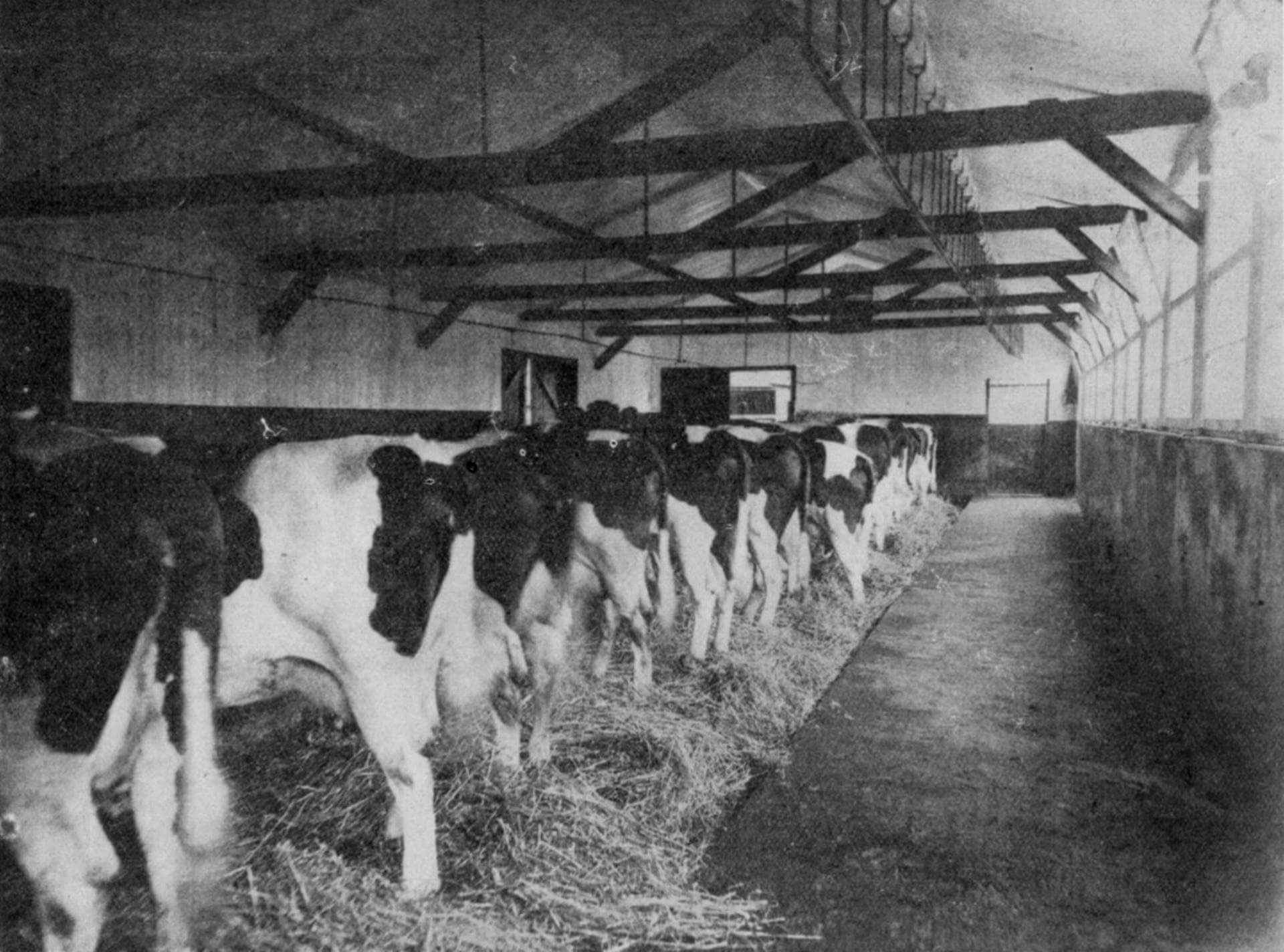 Professor Robert (Bobby) Boutflour’s Experimental Dairy 1927-1930
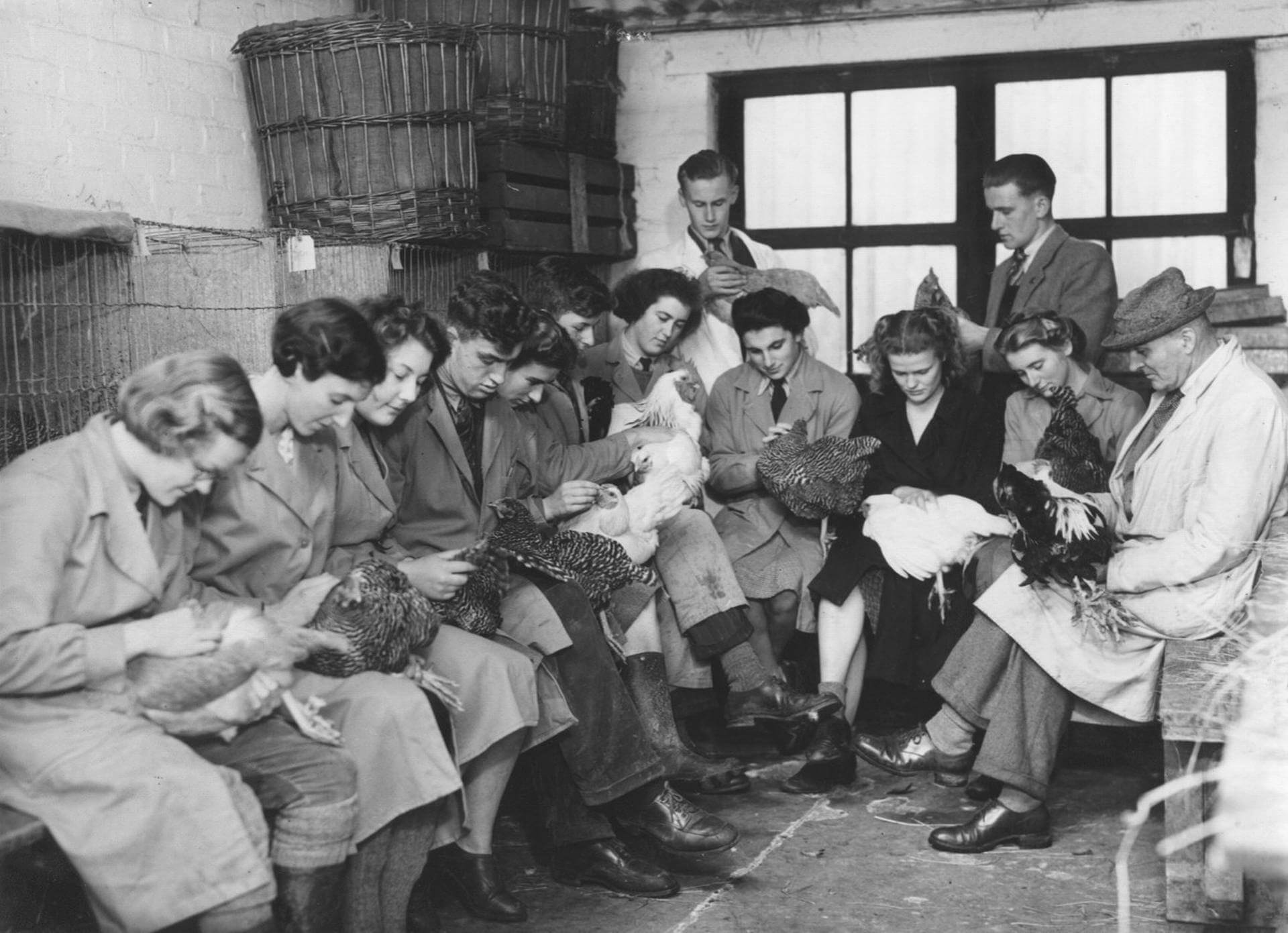 Poultry Students identifying poultry sexes and breeds with lecturer Herbert Howes c.1940
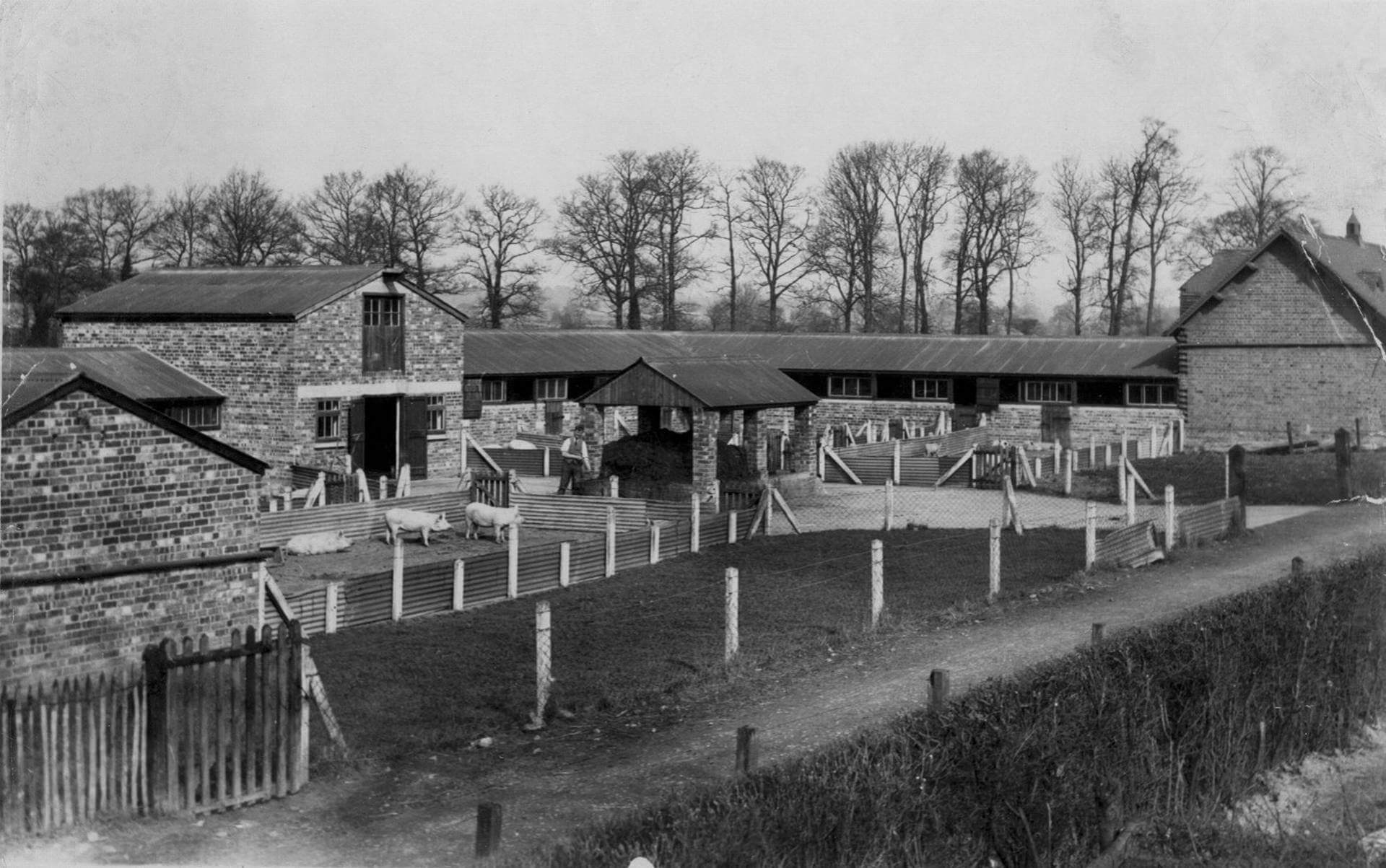 Pig Husbandry Experimental Station c. 1929
Recovery and growth
In the latter half of the 1920s, significant additional funding was also secured for a new Chair in Dairy Research. Professor Robert (Bobby) Boutflour was appointed to this post. His innovative and successful methods for improving nutrition of dairy cattle led to Harper Adams becoming a major force in cutting edge dairy science.
By the late 1930s the College’s student accommodation was once again bursting at the seams, with every available space utilized.
Another area of growth was poultry husbandry. The College was instrumental in encouraging national developments, with the establishment of the National Poultry Council in 1920. This in turn resulted in the creation of the National Institute of Poultry Husbandry, the leading section concerned with education, being opened at the College in 1926. From the 1920s the NIPH had a high profile in areas of research and teaching.
Principal Crowther also introduced further pig husbandry related facilities and research programmes.
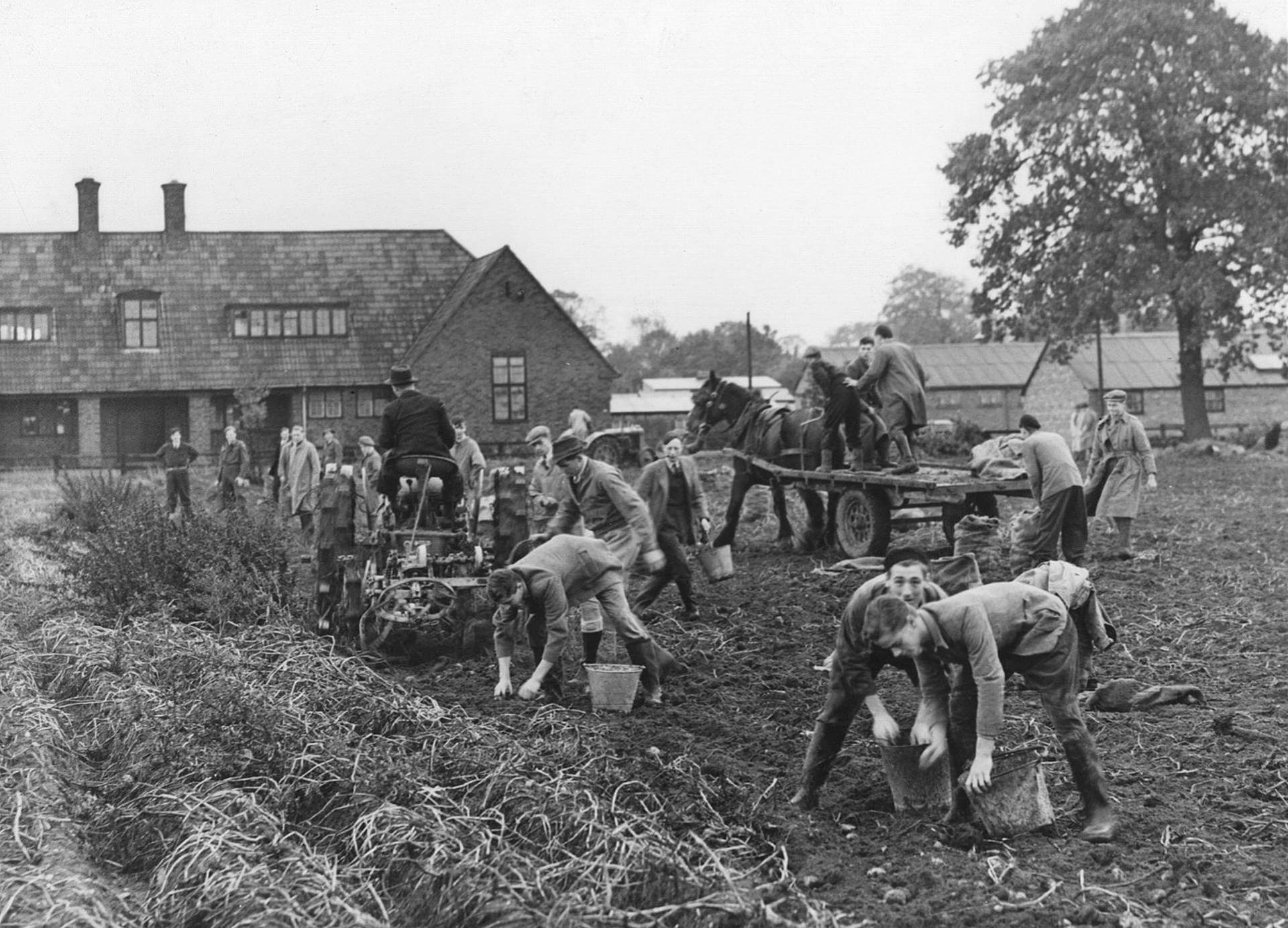
Photograph: Students and staff working together to harvest potatoes during WW2 (C-Block in the background)
Second World War
The College remained open for both agricultural and poultry courses throughout the Second World War. By 1943-44 the College had run into problems of over demand (farming and being a student were both reserved occupations at this time). Strict rules as regards deferment led to a general raising of entry requirements and a subsequent demand for higher qualifications.
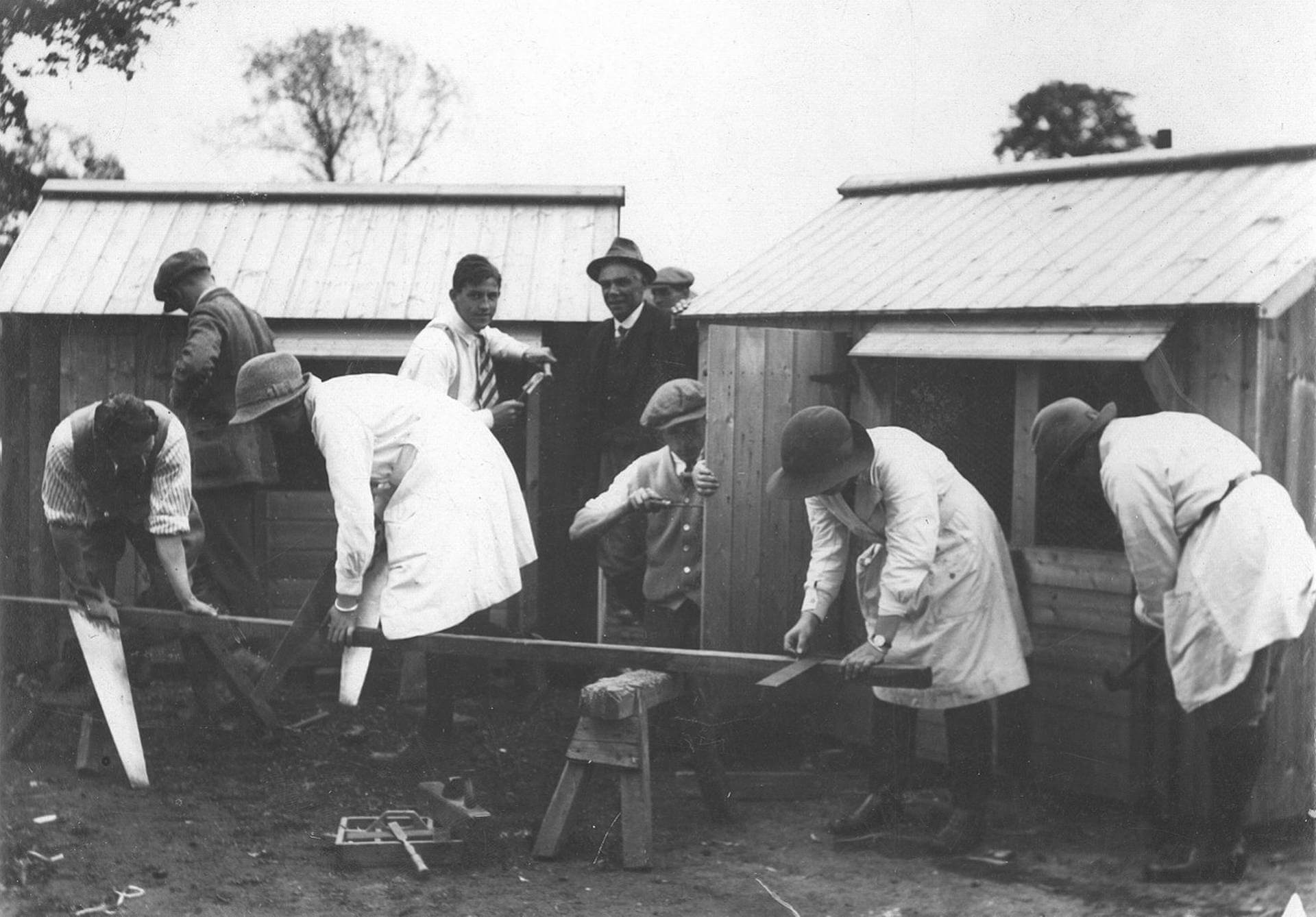
Photograph: Students making poultry houses during WW2
Post War Years
The post war years were led by Principal Archibald McVicar (1944-1946) and Principal Bill Price (1946-1962). They saw a steady expansion in student numbers. In 1956-57 numbers reached 222. In the late 1940s and early 1950s a thorough modernisation programme took place. Amongst his other achievements, Principal McVicar was instrumental in introducing Ayrshire Cattle to the farm. Principal Price focused particularly on the institutions links with industry and developed them further. He was successful in building further industry links and securing sponsorship for new machinery and other equipment.
He and his wife were also very keen to ensure that the sense of community on campus remained strong as student numbers and the campus and farm continued to grow and develop. They also helped the Harper Adams Club for alumni to enter a new phase in its development, celebrating a special “Harper Adams Day” annually when alumni could return to the campus with their families for a re-union, to tour the campus and engage with staff (the Club continues to run an annual reunion event on campus).
To celebrate 50 years since the opening of Harper Adams, HRH Princess Elizabeth visited to open Jubilee Hostel in 1951. This was the first Royal visit since 1926.

Photograph: Jubilee Hostel (now Jubilee Adams) home to the majority of the academic staff
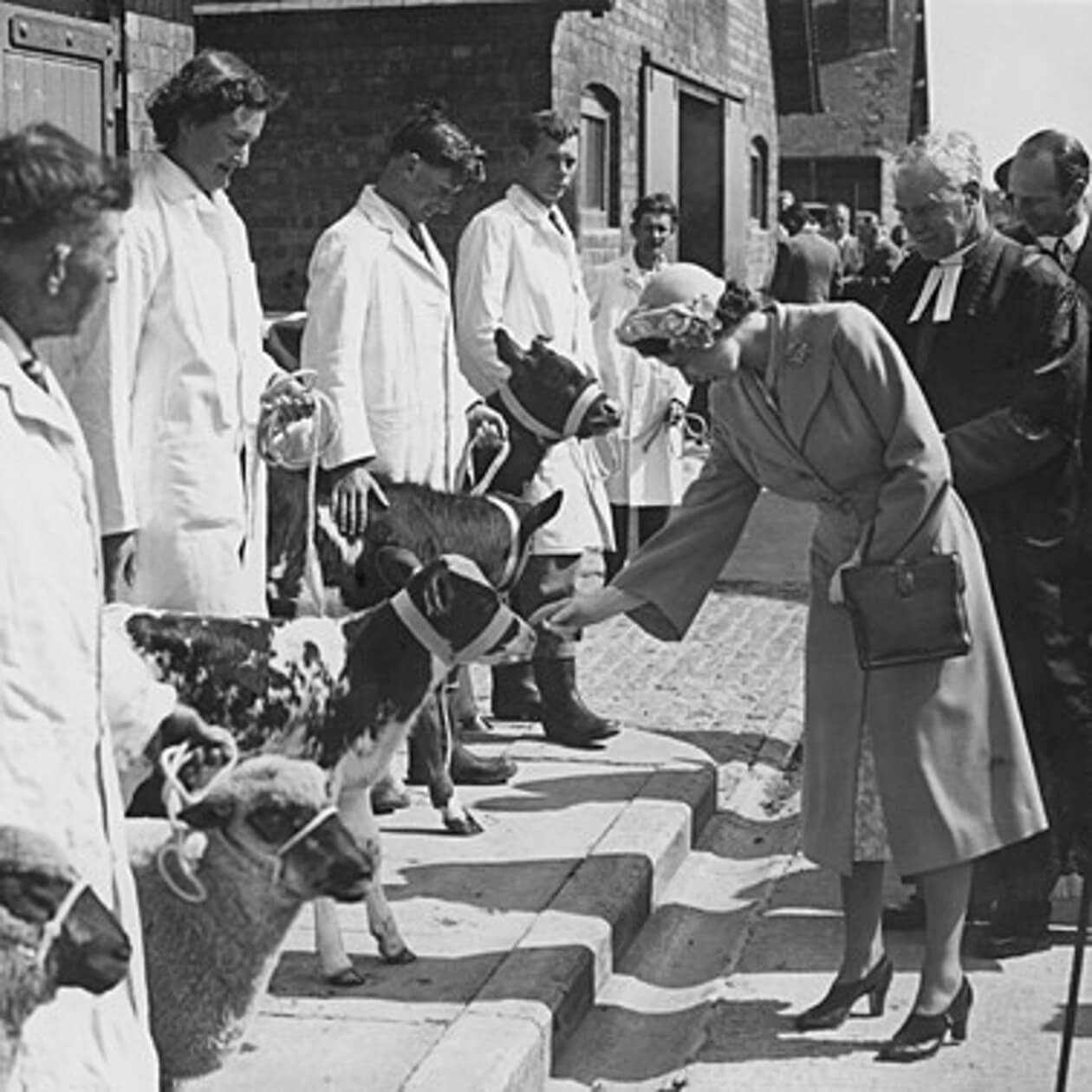
Photograph: HRH Princess Elizabeth tours the farm 1951
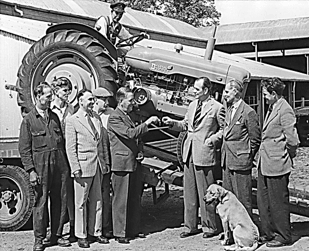
Photograph: Principal Price is presented with an industry sponsored tractor
Photograph: Harper Adams Day 1959
The 1960s
Further changes at the College took place in the 1960s, under Principal Reginald Kenney (1962-77), including the opening of the Queen Mother Hall . This new building included a new modern kitchen and refectory and a flexible assembly hall/ballroom with a stage for holding larger meetings/events, student drama society plays and other types of campus based entertainment.
Further Halls of residence were also needed to accommodate growing student numbers. Bradford and Ward Halls were built in the early 1960s, and Boughey Hall, a modern teaching block with library, and a students' union building followed.
In 1964 responsibility for funding the College passed from the Ministry of Agriculture to the Department of Education and Science, bringing with it tighter financial control, but also some opportunities to bid for capital funding. Government concern to expand opportunities in Higher Education and to raise the standard of national qualifications in agricultural education led to the introduction of the Higher National Diploma (HND) with its sandwich period. The first students enrolled for the HND in 1969. In 1969-70 student numbers rose to over 300 for the first time.

Photograph: Principal Kenney giving practical teaching demo to students on dairy cows
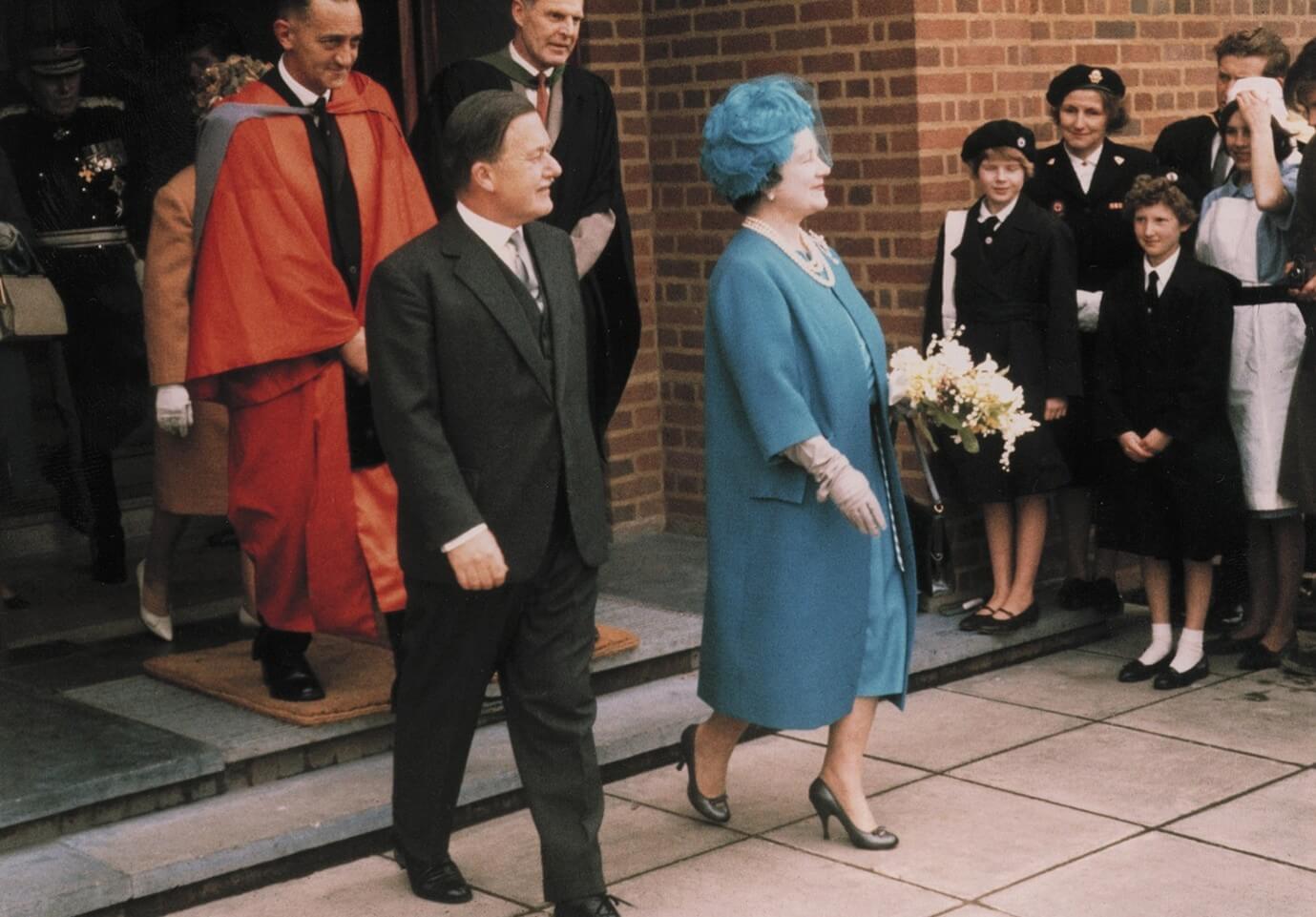
Photograph: HM The Queen Mother leaving QMH during her 1963 visit to the campus during which she formally opened the building named after her and also visited the National Institute of Poultry Husbandry opened in 1926 by her late husband as Duke of York
 Queen Mother Hall under construction 1961-62
 Building of new Halls under construction
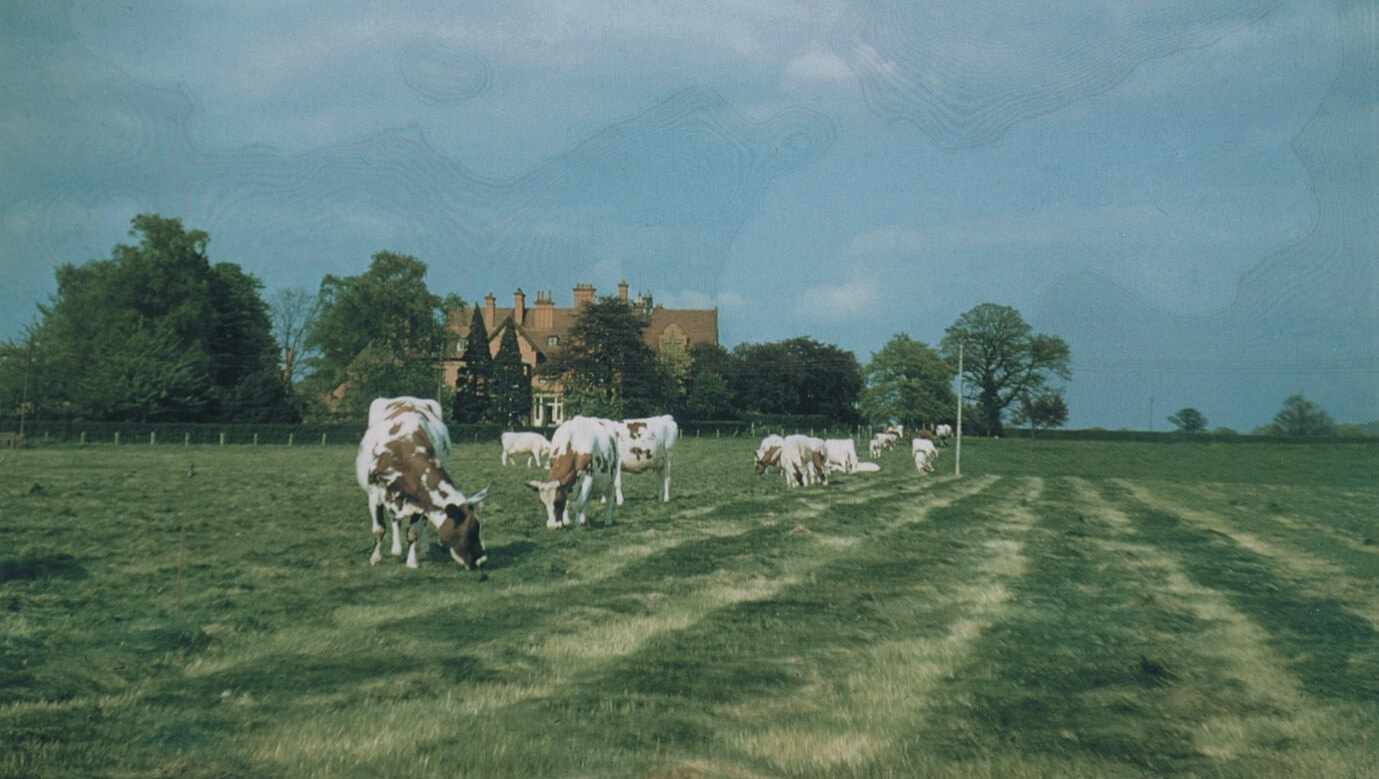 The Farm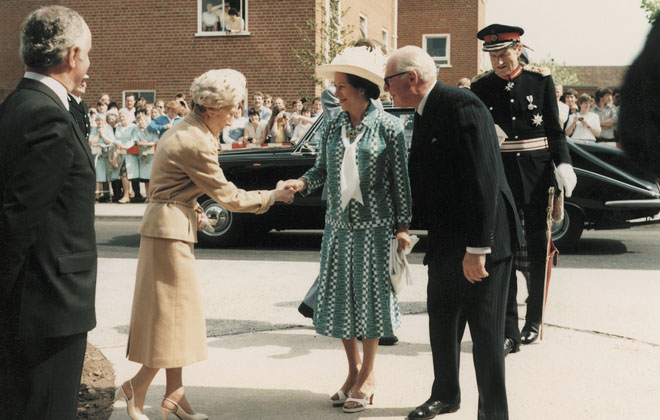
Photograph: Princess Margaret Arriving to open Princess Margaret Laboratories
Further growth 1970s/80s
More reorganisation and new developments took place under Principal Tony Harris (1977-94) and Principal Graham McConnell (1994-1996). Expansion in Higher Education saw student numbers pass the thousand mark by 1991/92. During this time the College widened the qualifications on offer, notably with the introduction of degree teaching in 1981. Harper Adams was one of the earliest providers of a BSc sandwich degree course, building on its extensive industry links and previous experience with HND/HNC placement arrangements. Taught degree awarding powers were granted to Harper Adams University College by the Privy Council in 1996.

Photograph: Data plotter connected to early computer
Moving into the 21st Century
Principal Wynne Jones (1996 to 2009) had the task of steering the College into the twenty-first century. Harper Adams evolved along with the industry that it serves, with a wide portfolio of courses including a raft of masters' programmes.
In 1998, having secured Privy Council approval for degree awarding powers for all undergraduate and postgraduate degrees, Harper Adams was officially recognised as a University College. At this time, although Harper Adams was the only University College to hold both of these powers, the title “University” was limited to institutions with more than 4,000 full time equivalent (FTE) students. This was later revised in 2012 to a minimum of 1,000 FTE and following this UK Government policy change, University title was immediately conferred on Harper Adams.
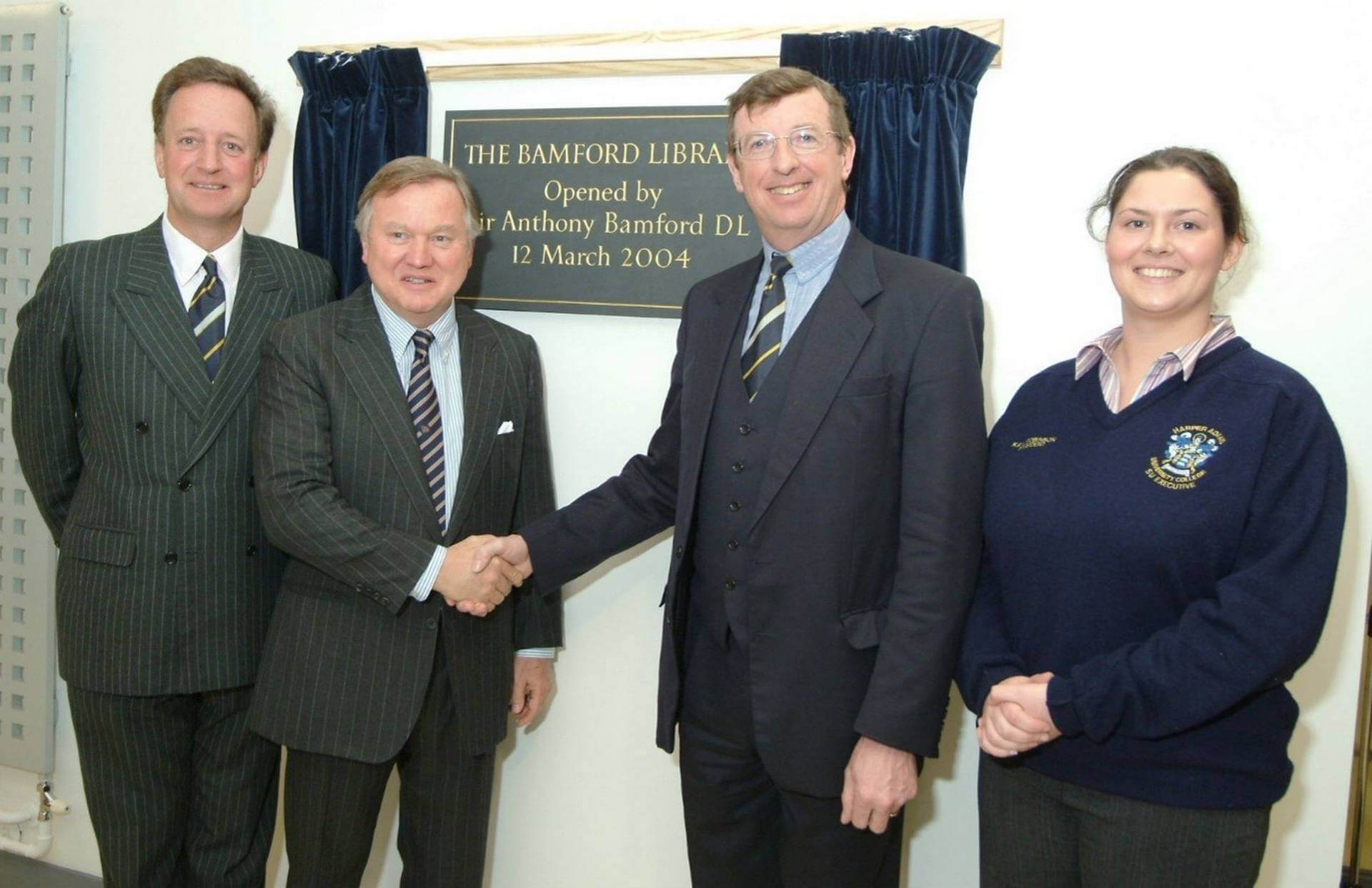
Photograph: The Bamford Library opening 2004
Investing in learning
During this period, significant investment was made in learning and teaching resources. The Bamford Library opened in the 2003/04 academic year, and in June 2004, HRH The Princess Royal opened the newly refurbished teaching accommodation in the Foulkes-Crowther Building.
Research was a real growth area and increasingly, it was undertaken by postgraduate students.
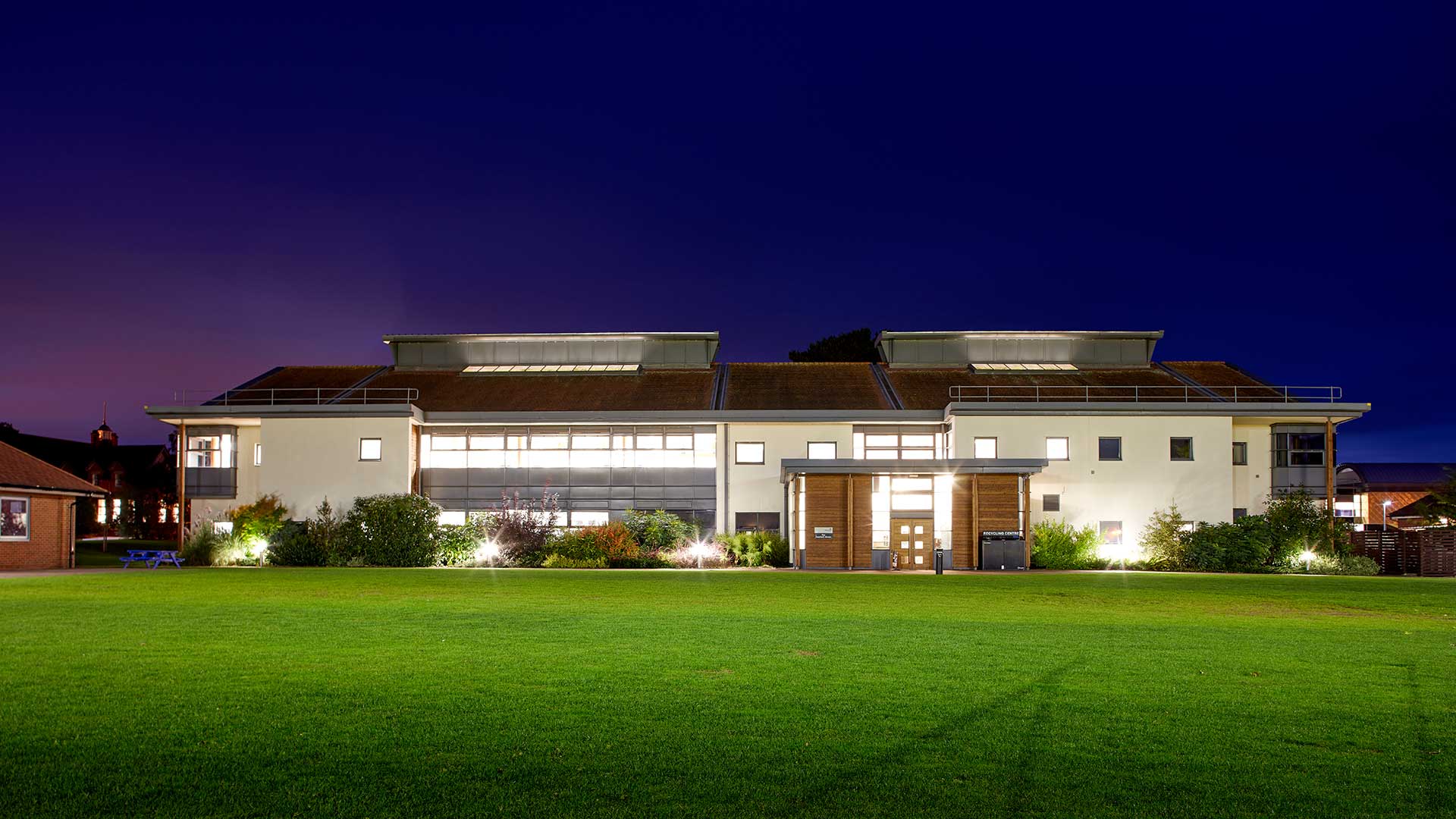
Photograph: Bamford Library at night

Photograph: Her Royal Highness The Princess Royal, officially opens the Veterinary Education Centre, 2021
The modern day university
Principal Dr David Llewellyn (2009-2021) spearheaded Harper's successful progression, being named University College of the Year six years running (2008-2013) and expanding to cater for more than 2,500 undergraduate students.
A new £2.3millon dairy unit was officially opened in September 2009, and the £3million award-winning Regional Food Academy (RFA) was officially opened by HRH The Princess Royal in December 2009. In March 2010, Shadow Secretary of State for the Environment, Food and Rural Affairs, Nick Herbert MP, opened a new Postgraduate and Professional Development Centre, and in the same year the Faccenda (Student Centre) building and a new student hall of residence were opened. In October 2012 HRH The Princess Royal visited Harper Adams to open a new student halls of residence, which was named after the Princess.
Campus Developments
During this period, thanks to support from a wide range of sources, including successful bids for government funding, donations from alumni, industry partners, individuals, regional and national charities, significant investment in further new facilities continued on campus.
Photograph: Elizabeth Creak Laboratories 2017
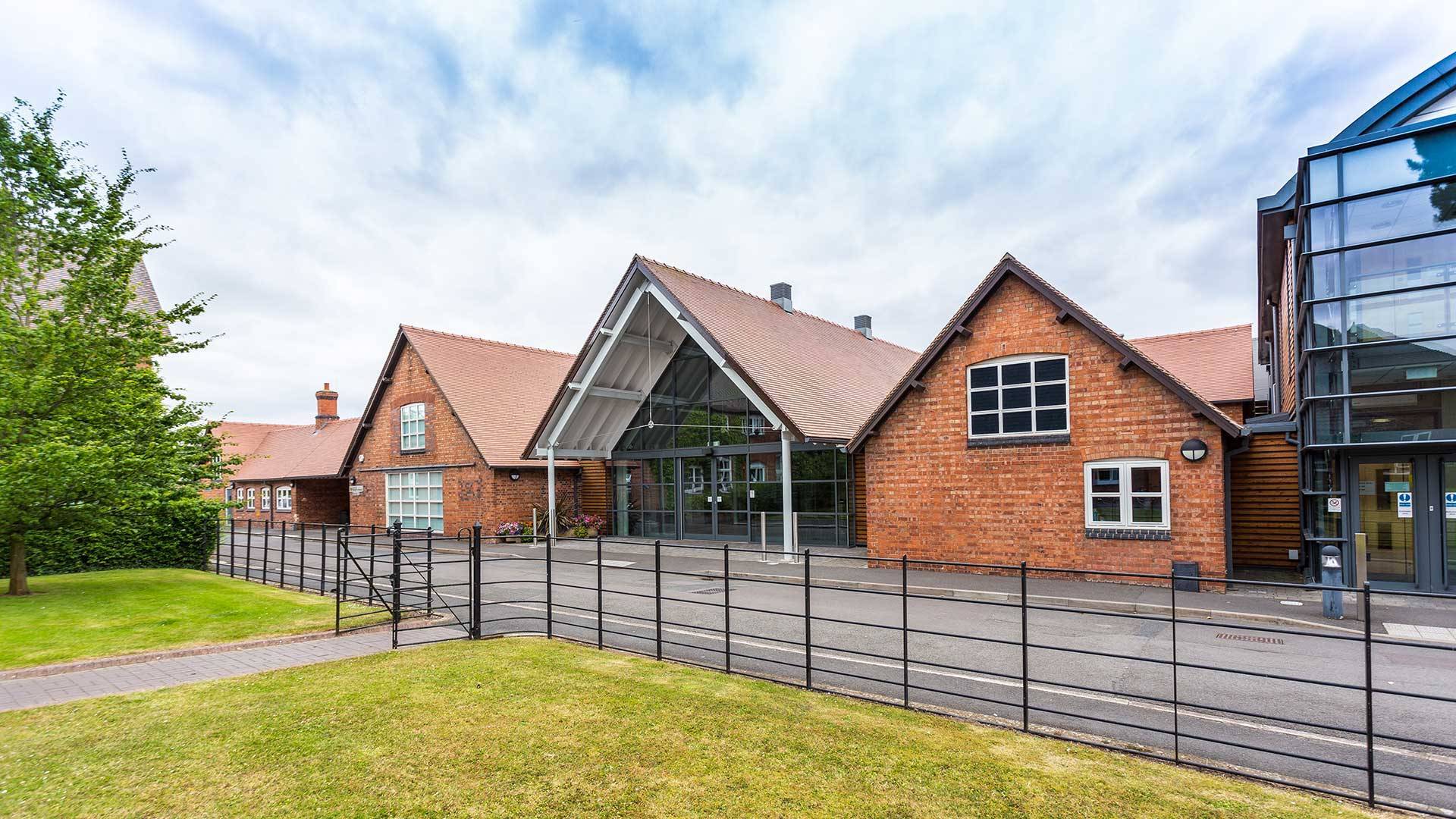 Regional Food Academy 2009
 PG Centre 2010
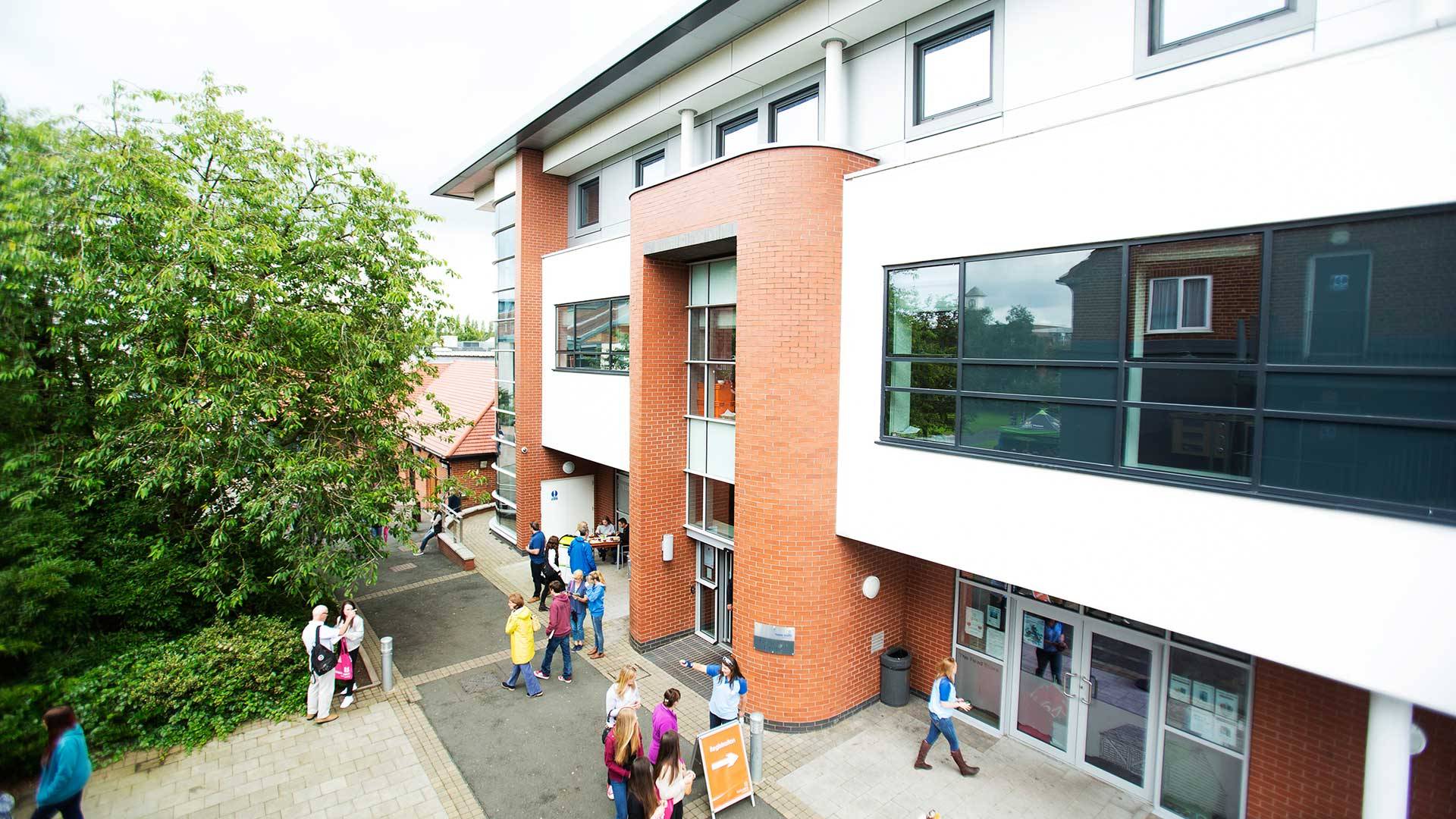 Faccenda 2011
 Frank Parkinson Farm Education Centre & Crops Research Centre 2012
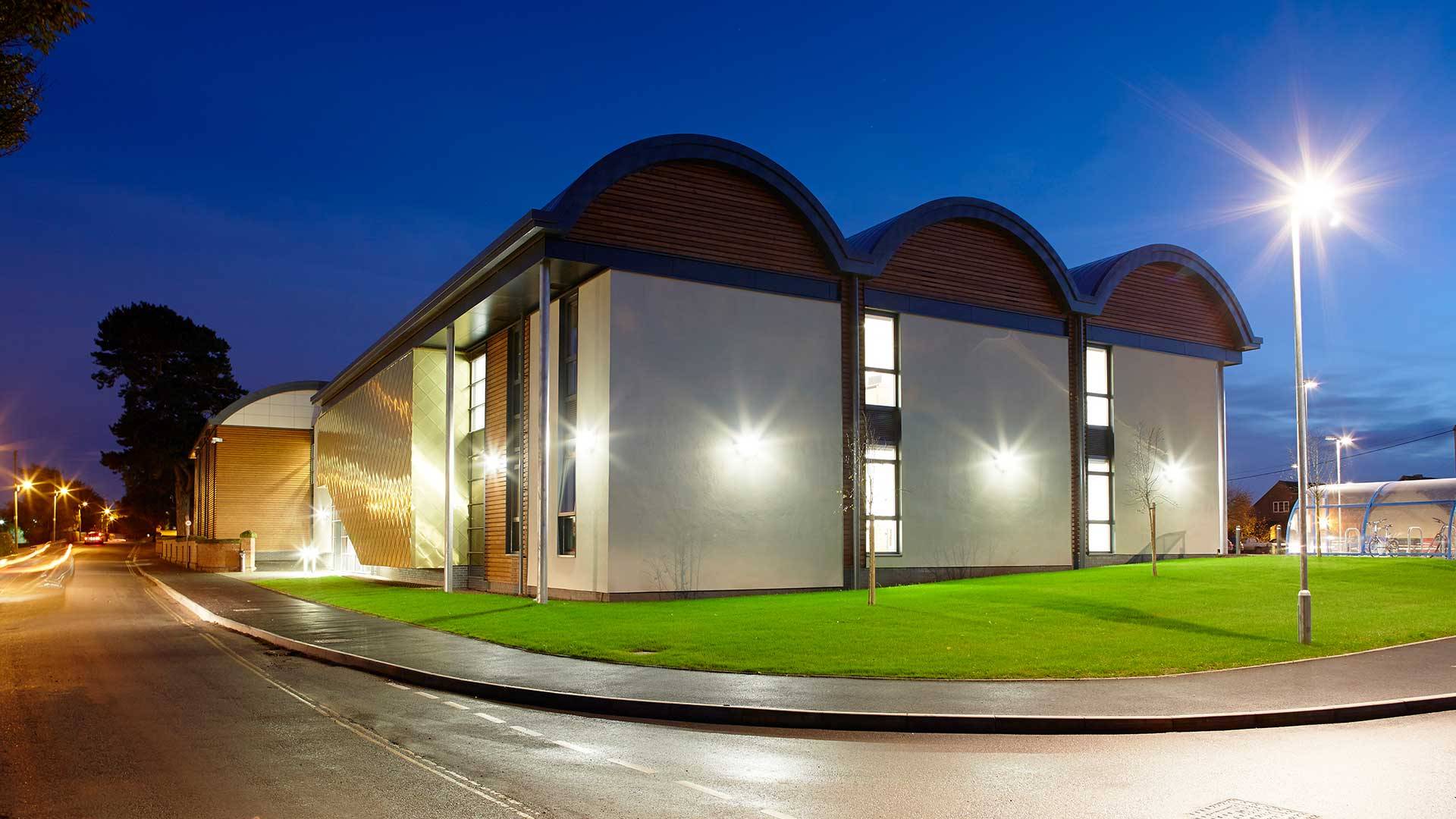 Weston Building 2014
 Jean Jackson Glasshouse 2016
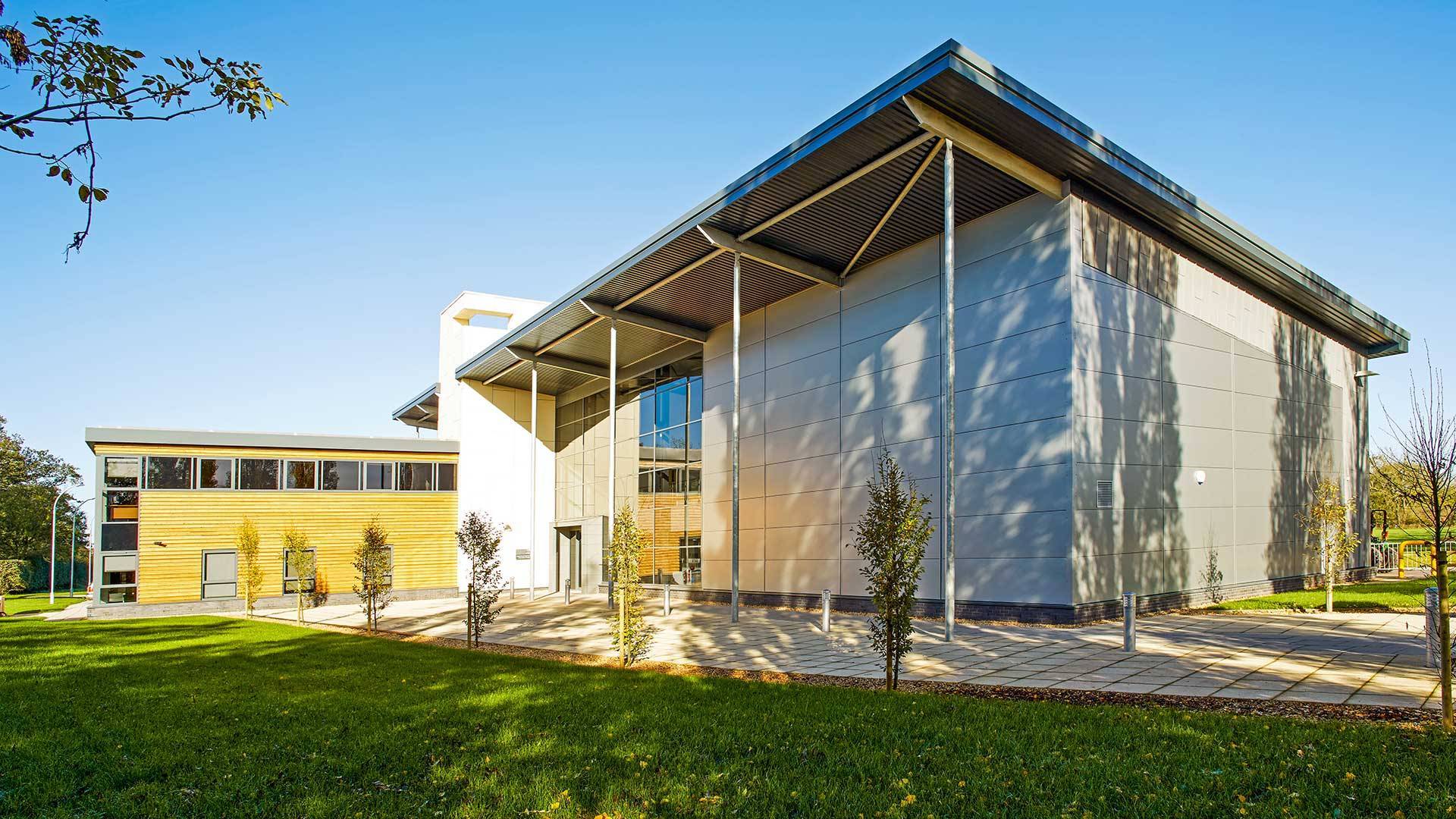 AEIC 2018
Full university title and beyond
In December 2012 Harper Adams was awarded full university title. Dr David Llewellyn took the title Vice-Chancellor in line with the academic and administrative heads of most other UK universities. Her Royal Highness, The Princess Royal, was installed as the first Chancellor of Harper Adams University in 2013.
Significant investment has continued in to the campus, and Harper was named Modern University of the Year 2017 in the Times Good University Guide 2016, and Whatuni Awards 2016 University of the Year.

Photograph: HRH speaking at Chancellor’s Installation in St Peters’ Church
Globally recognised University
Vice Chancellor Professor Ken Sloan (2021 to present) steers the university further towards global recognition. With 125 years of expertise in the agri-food, technology, and animal health sectors, Harper Adams is acknowledged by the Higher Education Funding Council for England (HEFCE) as the country’s world-leading specialist university its subject specialisms.
Recognised as the inaugural Specialist University of the Year (The Times and Sunday Times 2024), and in 2025, inaugural Specialist Institution of the Year in the national Times Higher Education awards.
Once again being rated TEF Gold for teaching excellence, the university is shaping the future of sustainable food production, engineering, and animal health on a global scale.
Harper Adams is named one of the top 100 institutions globally for the study of Agriculture and Forestry in the 2026 QS World University rankings. Innovative projects such as the Hands Free Farm and the Agri-EPI Precision Dairy have led the way in autonomous agriculture research.
The University has also seen significant national recognition of its work from peer review sources including being named top modern University of the Year for seven consecutive years to 2023 in the Times Good University Guide and the inaugural Times, Modern University of the Year in the Complete University Guide in 2020 and runner up for overall University of the Year. It has also been awarded a wide range of WhatUni Student Choice Awards during this period, including Best University for Career Prospects for nine years in a row and with Keele University, No 1 Veterinary School in the National Student Survey 2025 as voted by its students.
Quite a feat for an institution founded by the legacy of one farmer!
 Hands Free Farm - autonomous agriculture
 Spray drone research
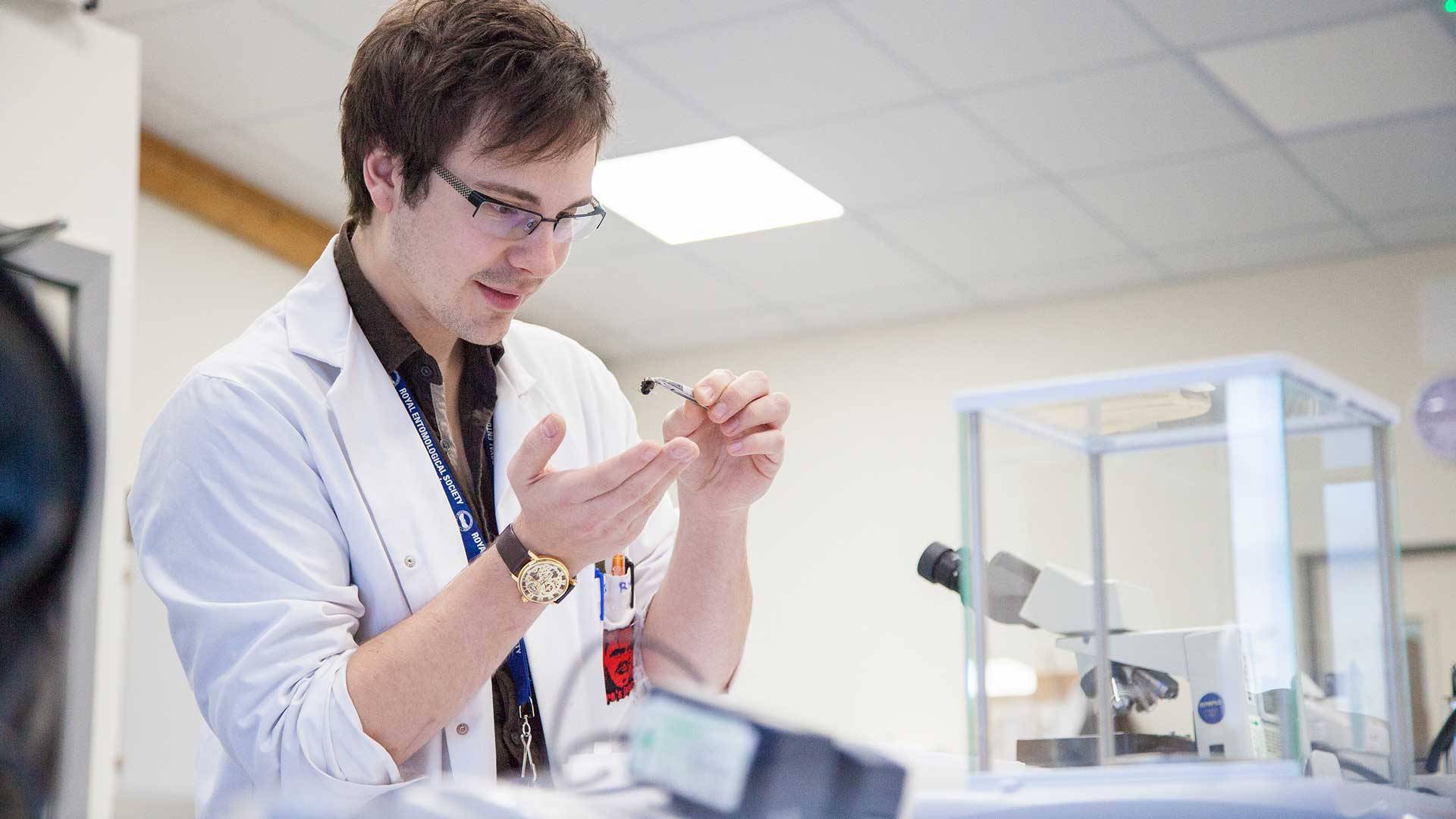 Entomology researcher
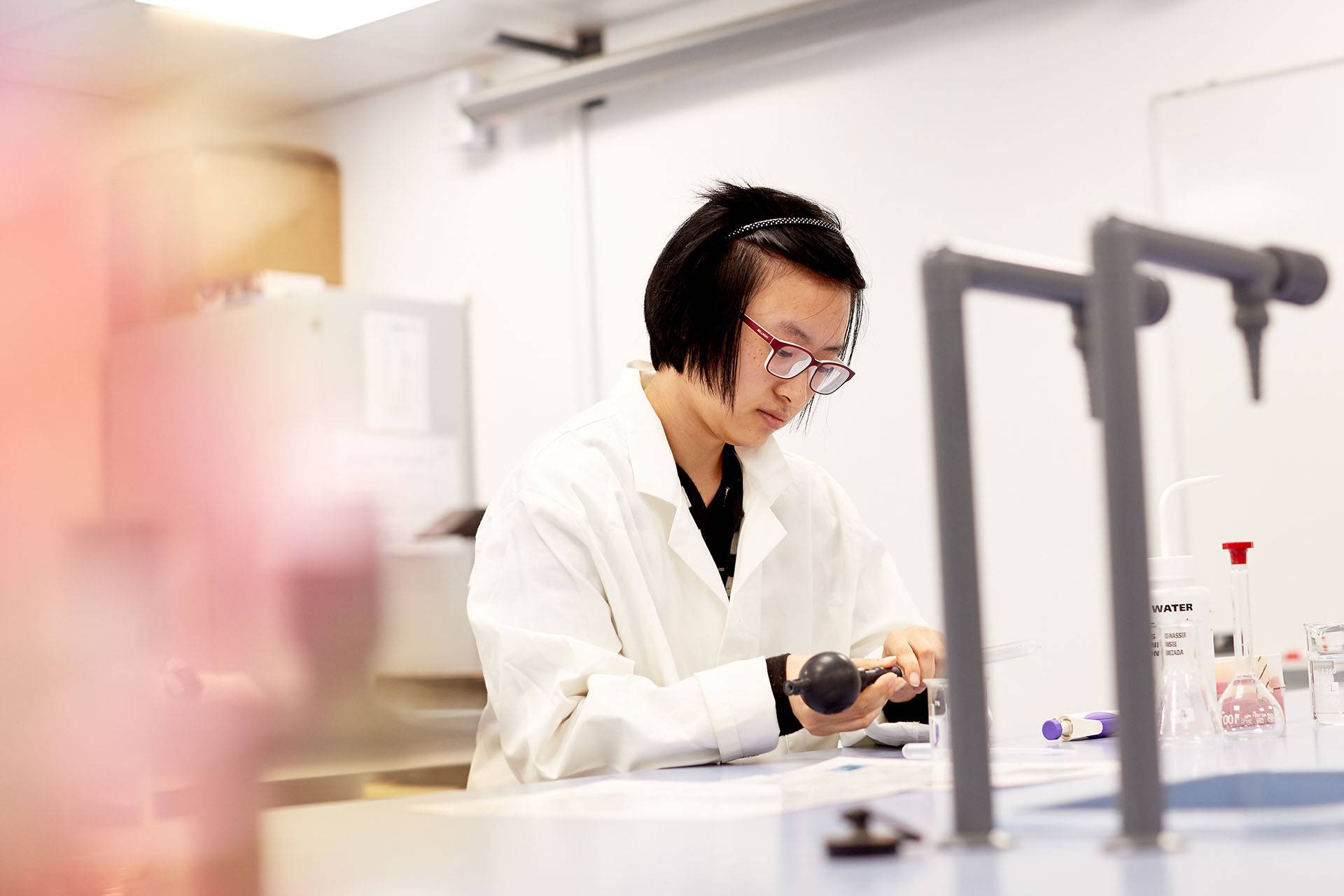 Student in the labs
 Food science and innovation
 Scholars from African nations meet HRH The Princess Royal
 Land management practical surveying
The Quad
Building on campus developments since 2004, further work has continued to update and create further learning and research spaces. Opened in 2025 by Her Royal Highness The Princess Royal, Chancellor of the University, The Quad is a major new development for the University, forming a second teaching hub in Telford, thus opening up further, public transport friendly opportunities for people to engage with the University.
The Quad provides a new town-centre base with easy access to wider university resources via a dedicated shuttle to the Edgmond campus. Facilities include a purpose-built learning environment delivering technology, data, automation and digital business courses. Creative breakout spaces and other shared areas also provide students and staff with direct links to Telford’s innovation and business community- turning ideas into action.
The Future Farm
In 1901, the University’s Farm was just under 180 acres (73 hectares) together with a modest number of old and newly built farm buildings.
Today, extending across around 1,235 acres (c. 500 hectares), the University’s award winning Future Farm provides real-world context for students, researchers, and industry partners, with active enterprises in dairy, beef, sheep, pigs, and land-based systems. Key aims are support and development of both farm performance and wider sustainability goals.