
Shropshire research aims to find new ways to sustainably boost British forests
Posted 27 March
"We need to support our home-grown tree production as it reduces transport emissions, risks from pest and disease transfer and supports UK rural employment. Our UK nurseries need to be resilient to the effects of climate change. We hope our trials can support the nursery to go on producing quality saplings for new woodlands in the long-term – and are looking forward to bringing students on-site next year to see how the research is progressing.”
Sustainable ways to help boost British forests – without the use of imported saplings or peat-based composts – are to be trialled in Shropshire under a new collaboration.
The work will draw together expertise from Harper Adams University, Prees Forest Nurseries, Shropshire Council, Agrovista and Westland Horticulture – and it’s hoped it can help the UK’s forestry industry fight climate change and bring about long-term benefits.
Senior Lecturer in Forestry and Woodland at Harper Adams University, Nick Covarr, said: “This project came through a long-standing connection between the University and Prees Heath Forest Nurseries.
“David Gwilliam, the nursery owner, has been a long-term supporter of our students, offering site visits and talks to his nursery.
“During one visit, he expressed concerns to us regarding the increasing amount of irrigation required to grow his outdoor trees during the hot and dry summers we increasingly endure as climate change progresses.”
David added: “Our primary interest for the project was to work with new growth media that could help us retain soil moisture during the growing season, both in the field and in the polytunnel, at a time of year when young trees need water and nutrient the most and which is increasingly difficult in hotter and drier summers.
“We really welcome the opportunity to work with our partners at Westlands, Agrovista, Shropshire County Council and Harper Adams University to help try out some new ideas"
Tree planting is high up the political agenda and has cross-party support as one of the ways in which the country can meet Net Zero targets - yet the way trees are currently grown in the UK runs counter to these aims.
Postdoctoral Research Associate in Forestry, Max Davis, who will be helping steer the new project, added: “The reliance on peat in tree nurseries, when it is a rich natural store of carbon if left untouched, and the import of additional saplings hampers these Net Zero ambitions.
“We hope our trials can provide sustainable options to bolster UK forest nursery production and also enhance their resilience under the threat of climate change.”
Working with Prees Forest Nurseries and the other industry partners at Agrovista, Westland and drawing on the expertise of Harper Adams academics such as Professor Simon Jeffrey, the project team came up with a range of sustainable novel products to trial as ways to grow new saplings.
They will also draw on a long-established link with Shopshire Council, who have a project developing sustainable growing media for plants which is derived from biochar, a form of charcoal made from the hedges, woods and gardens the authority manages.
Dan Wrench, Shropshire Council's climate and carbon project officer, said: “Shropshire Council sees significant potential in the use of biochar, but it’s vital that this is supported by strong, independent evidence.
“That’s why this research matters—not only to us, but to the future of tree planting in Shropshire. With a target of planting 345,000 trees by 2030, and more than 120,000 already in the ground, our work with Harper Adams University and other partners will help ensure every tree we plant has the best possible conditions to thrive.”
As these cell-grown and bare-root oak trees develop, the team will measure how well seeds germinate, tree growth and shape, how well the trees cope with drought - and how the soil responds to different inputs.
Nick added: “The sustainable sources we’ll be trialling between our industry and council partners have the potential to adequately support young trees in an increasingly challenging physical environment.
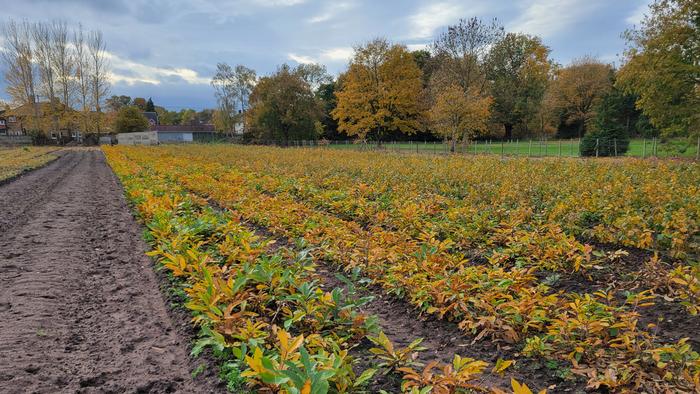
“We will be trialling them in the outdoor tree beds at Prees Heath Forest Nurseries to see which perform best for the bare-root trees and how they modify the nursery’s soils over two to three years.
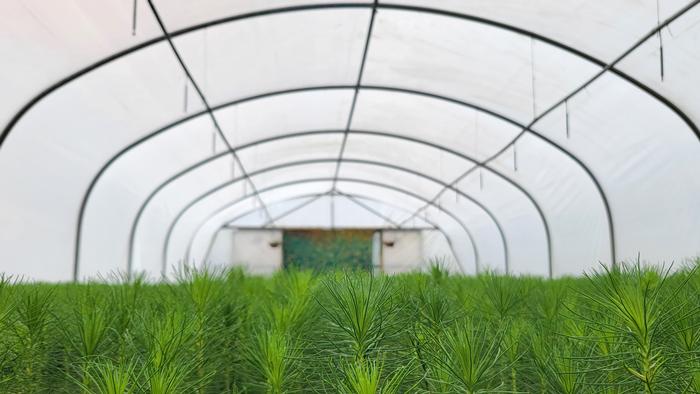
“We will also be trialling peat-free products for cell grown saplings growing in the nursery’s polytunnels, which are a very different environment to the outdoor beds.”
The work has been made available thanks to the Forestry Commission’s Tree Production Innovation Fund (TPIF), which supports projects that will enhance or facilitate tree production methods used in the UK and develop new technologies that will overcome barriers to domestic tree production.
Nick added: “We need to support our home-grown tree production as it reduces transport emissions, risks from pest and disease transfer and supports UK rural employment.
“Our UK nurseries need to be resilient to the effects of climate change.
“We hope our trials can support the nursery to go on producing quality saplings for new woodlands in the long-term – and are looking forward to bringing students on-site next year to see how the research is progressing.”
Most popular
-
 125th anniversary celebrations launched by Chancellor Her Royal Highness The Princess Royal
29 September -
 Graduate planning to transform Shetland farming named Farmers Weekly Ag Student of the Year
2 October -
 Award-winning graduate takes on Duchy of Cornwall’s first regenerative Farm Business Tenancy
6 October -
 Allied professionals can support farmer mental health - but should not be relied upon and need help themselves, study says
5 October -
 Graduation 2026: meet our alumni speakers
18 September -
 Conference and party round off 125th anniversary opening celebrations
30 September
Related articles
Dairy Manager highly commended as Young Dairy Farmer of the Year at Cream Awards 2026
Posted YesterdayAward-winning graduate takes on Duchy of Cornwall’s first regenerative Farm Business Tenancy
Posted 6 October