

 Listen: Archers anniversary marked with future of farming discussion on BBC radio
With BBC Radio Four marking the 75th anniversary of the Archers this year, Farming Today has taken the opportunity to look forwards this wee …
Posted 16 October
Listen: Archers anniversary marked with future of farming discussion on BBC radio
With BBC Radio Four marking the 75th anniversary of the Archers this year, Farming Today has taken the opportunity to look forwards this wee …
Posted 16 October
At Harper Adams University, we believe everyone should feel respected, supported and able to be their authentic selves.
Through the Students’ Union, students can get involved in a range of networks designed to bring together those with shared interests, experiences and identities.
Among these is the LGBTQIA+ Student Network, which provides a welcoming space for students who self-identify as LGBTQIA+ and allies of the community.
The network offers opportunities to discuss issues affecting LGBTQIA+ students at Harper, organise inclusive activities and events, build friendships, and help foster a supportive and inclusive campus community.
Creating an inclusive environment is something that extends beyond our student community.
In this guest blog from Matthew Lowe, Executive Officer to the Vice-Chancellor, he tells us about the launch of our first LGBT+ Allies Staff Community – a new initiative designed to champion representation, foster meaningful conversations and create opportunities for networking and support across the University, launched at yesterday's Pride Picnic.
View this post on Instagram
Some might ask: “Do we still need Pride?” The answer is unequivocally yes, and now more so than ever.
Nearly six decades after the Stonewall uprising and years after significant advances in LGBTQ+ rights, some people wonder whether Pride still matters. After all, progress has been made. LGBTQ+ representation is more visible than ever. Many organisations champion inclusion. Younger generations are growing up in a world that, in many ways, is more accepting than those that came before.
But visibility is not the same as equality, acceptance is not universal and progress is never guaranteed.
Much like Jane Austen's Pride and Prejudice, society often makes assumptions about people before taking the time to understand them. While Austen explored the consequences of personal prejudice, Pride challenges the prejudice that still exists within communities, workplaces, institutions, and public discourse today.
In a world where LGBTQ+ rights continue to be debated, challenged, and, in some cases, rolled back, Pride is a statement of visibility. A celebration of identity. A call for equality. And perhaps most importantly, a reminder that everyone benefits when people are free to be themselves.
At its heart, Pride is about creating a society where people can live authentically, free from discrimination and prejudice. When communities become more inclusive, everyone gains. Workplaces become more innovative. Schools become safer. Communities become stronger.
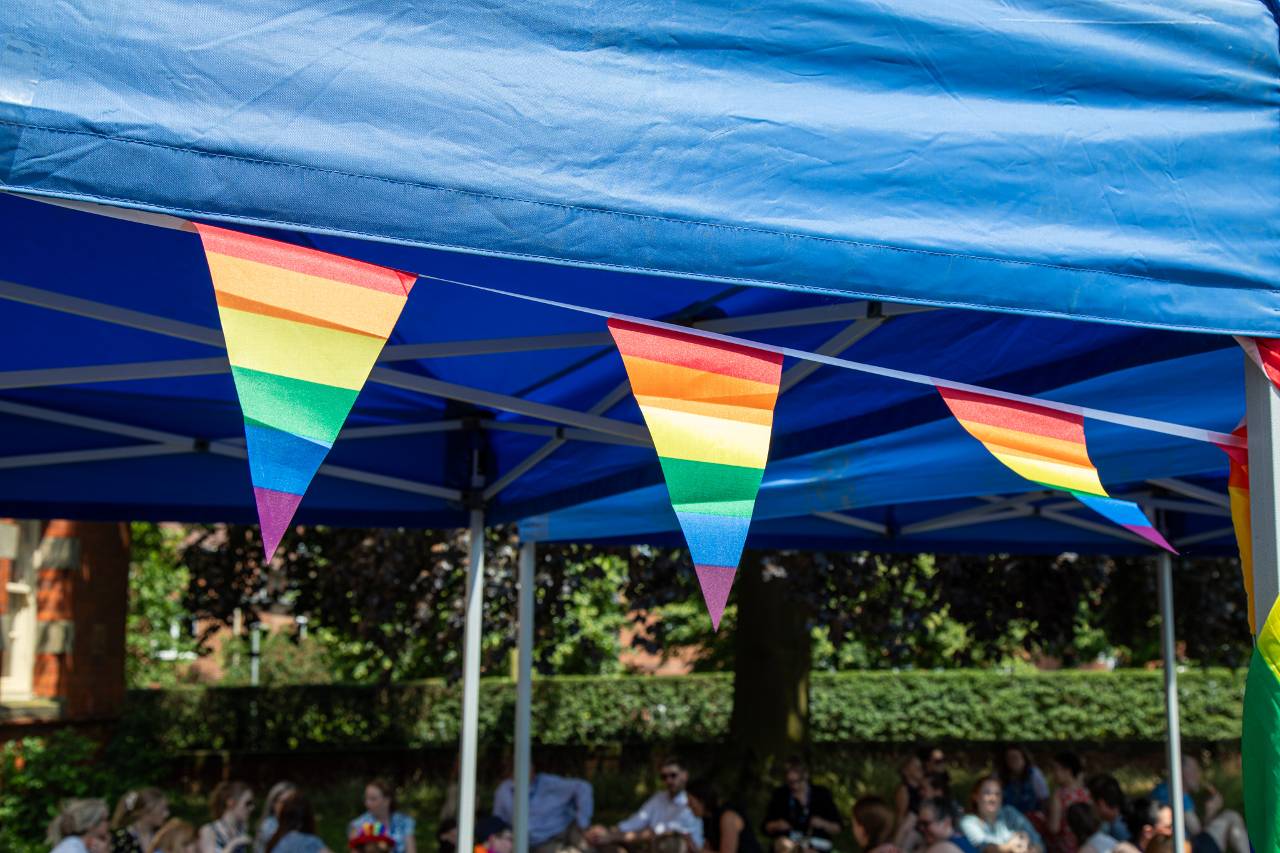
Pride encourages conversations that foster understanding, challenge assumptions, and build connections between people with different lived experiences. It reminds us that diversity is not something to be tolerated but it is something to be valued.
Whether someone identifies as LGBTQ+ or not, we all benefit from environments where people feel respected, supported, and able to contribute as their authentic selves. That is why Pride is not simply a community event. It is a celebration of the kind of society many people want to live in. And it matters in our communities and workplaces.
The conversation around Pride has evolved significantly in recent years. People want workplaces, universities and organisations where inclusion is reflected in policies, leadership decisions and everyday culture.
This is particularly important in 2026 as some organisations have reduced public support for Pride initiatives amid political and economic pressures. Yet inclusion is not a trend to be switched on and off. The organisations that create lasting impact are those that view inclusion as a business and cultural priority, not a seasonal campaign.
That is why Harper Adams University has created its first LGBT+ Allies Staff Community and I’m delighted to be its inaugural chair.
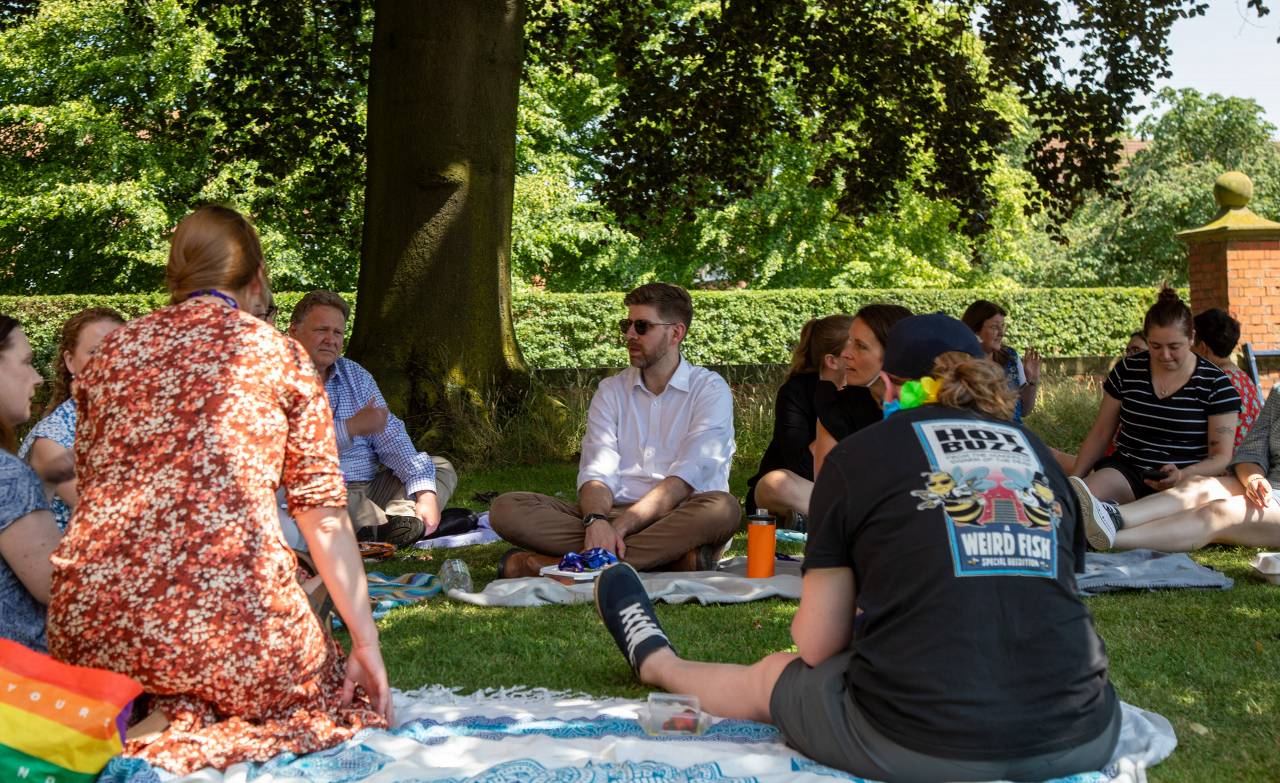
This Community exists to champion the positive development of LGBT+ related representation within the university. I would invite staff from across the University to join a forum that facilitates discussions and networking, while working collaboratively towards the visibility of LGBT+ identities, empowering individuals and celebrating our diversity.
Real inclusion is measured not by what appears in June, but by what happens in July, October, and every other month of the year.
The reality is simple: if prejudice still exists, Pride still has a purpose.
Related Posts
Listen: Archers anniversary marked with future of farming discussion on BBC radio
With BBC Radio Four marking the 75th anniversary of the Archers this year, Farming Today has taken the opportunity to look forwards this wee …
Posted 16 October
 A tale of two anniversaries: The Archers at Harper Adams
The Archers marks its 75th anniversary as a British institution in 2026, as Harper Adams University marks its 125th – and the two have …
Posted 14 October
A tale of two anniversaries: The Archers at Harper Adams
The Archers marks its 75th anniversary as a British institution in 2026, as Harper Adams University marks its 125th – and the two have …
Posted 14 October
 Looking back at a remarkable 125th anniversary celebration
Ian Rowley is Harper Adams University's Executive Director for Institutional Impact and Engagement – and had a front-line seat as prep …
Posted 1 October
Looking back at a remarkable 125th anniversary celebration
Ian Rowley is Harper Adams University's Executive Director for Institutional Impact and Engagement – and had a front-line seat as prep …
Posted 1 October
 Iconic dog trainer Barbara Woodhouse's legacy lives on at Harper Adams through her great-grandson
For many, Barbara Woodhouse has been a household name over the years for her approach to training our beloved four-legged friends.The …
Posted 30 September
Iconic dog trainer Barbara Woodhouse's legacy lives on at Harper Adams through her great-grandson
For many, Barbara Woodhouse has been a household name over the years for her approach to training our beloved four-legged friends.The …
Posted 30 September