Farm 24 and Farmwatch: one great day celebrating British agriculture
31 July 2026
Britain’s food and farming sectors have been celebrated through the combined efforts of two national institutions – and strongly supported by Harper Adams University.
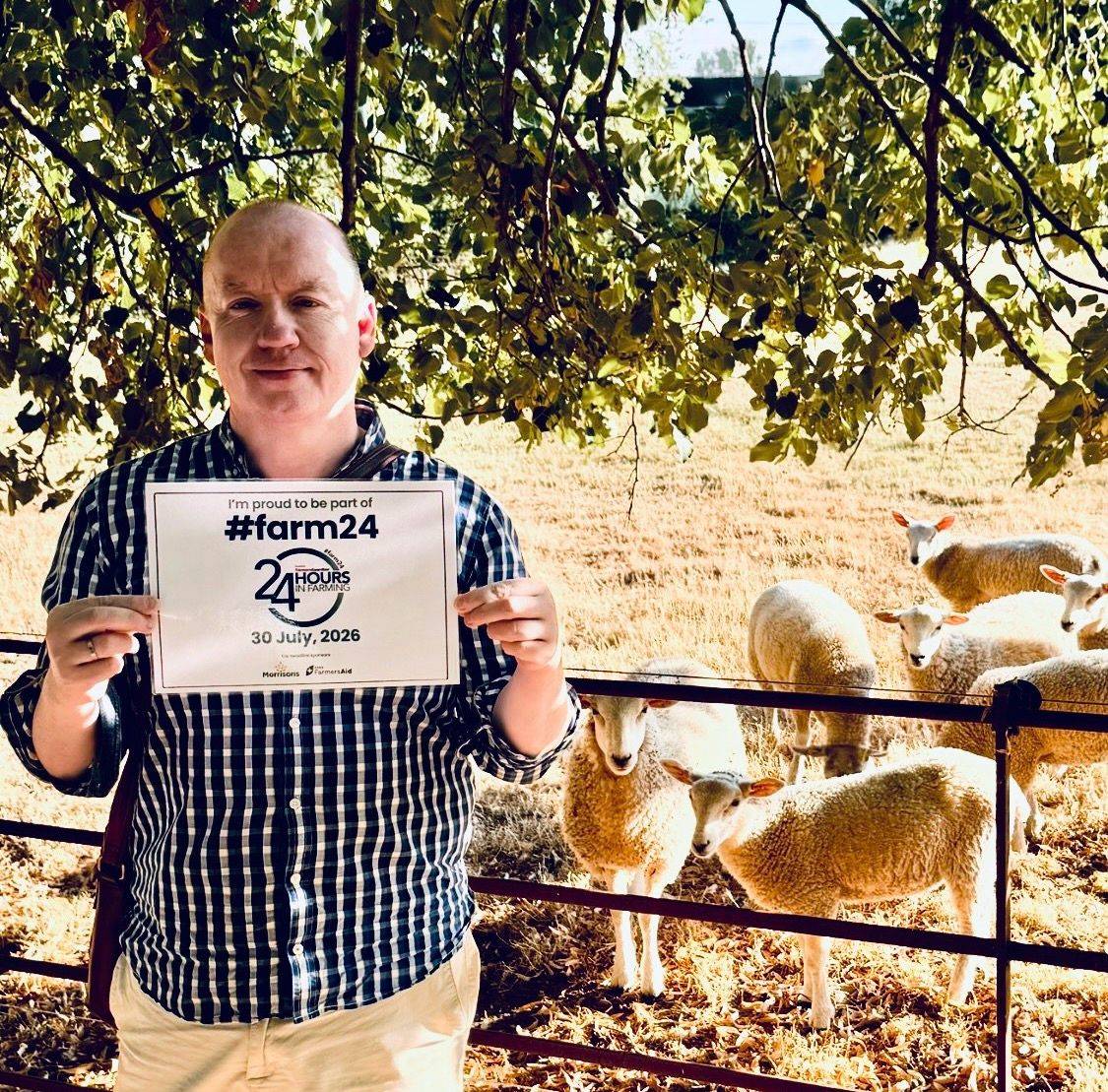
From 5am on July 30, the annual #Farm24 event, led by Farmers Guardian, kicked off across social media – with organisations such as Harper Adams and its School of Sustainable Food and Farming showing their support during the day - as well as support from our students, staff, partenrs and alumni.
This year, #Farm24 also joined forces with the BBC’s Farmwatch – helping food and farming stories reach even more people.
Farmwatch sees BBC local radio stations, television and online services all join together to cover each and every aspect of UK farming.
At Harper Adams, recently-appointed Future Farm Director Paul Kelly appeared on BBC Midlands Today's morning and lunchtime TV news bulletins - discussing his new role and some of the challenges and opportunities the industry faces.
On BBC Radio, Deputy Vice-Chancellor Professor Michael Lee gave an overview of the farming sector, why it is one of the UK’s most future-facing industries- and how Harper Adams University is driving agriculture forward.
He said: “Harper has always been at the cutting edge of the future of farming - that's in conjunction looking at technology and innovation, whether that be AI, precision farming technologies, sensors, soil health, and also, at the same time, agroecological farming – farming with nature, because it's clear we need to reduce our impact on the environment.
“We need to farm with less chemicals, less fertilizer, but also of course, look at how we drive technology to solve biological questions. That's really been the heart of Harper Adams University’s work, to drive the science and the practical applications that realise the future.”
Meanwhile, Professor Fernando Auat Cheein spoke with BBC Online and Radio Shropshire about his work on agricultural robotics – and why he believes humanoids could be the future of farming automation.
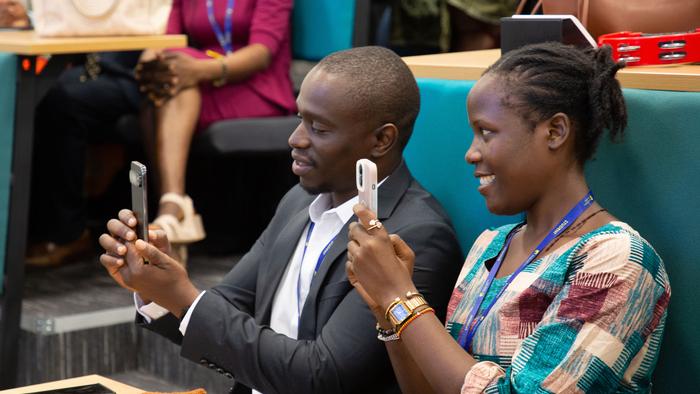
She explained how she came to join the course – and the lessons she hopes to take home to the community she works in in Africa.
She said: “What grows here might not grow back in Uganda, It is a little bit different. But then agriculture is almost the same everywhere - because the techniques are the same.
“We all want to produce food at the end of the day. So if you're talking about something like regenerative agriculture, if you're talking about organic farming, if you are talking about climate smart farming - the basics are all the same here and back at home.
“Being here, it helps me to just compare what we've been doing and what they do here and what can I pick to take back home. So that makes it easy for me to just compare and pick a few things that I can use.”
Finally, Agronomy Lecturer Dr Andrew Watson spoke to the nationally-syndicated Farm to Fork programme to talk about routes into agriculture – and the kind of person the sector could appeal to.
He said: “I think the main thing is it's got to be something you're interested in. So, you know, we've got a huge range of different areas, from livestock to crops to business. I think there's great opportunities in all areas. I'm obviously biased towards the agronomy side because that's the side I teach. That's really what I love doing day in, day out, but I think it's great opportunities- whichever route you want to go down.
“The main thing is you've got to be interested in it. I think with agriculture, it's one of those things where you're doing it because it's something which you enjoy, that you love doing.”



 Listen: Vice-Chancellor discusses results day and clearing with the BBC
Harper Adams Vice-Chancellor Professor Ken Sloan has been interviewed by the BBC about A-level results day, clearing – and how student …
Posted 13 August
Listen: Vice-Chancellor discusses results day and clearing with the BBC
Harper Adams Vice-Chancellor Professor Ken Sloan has been interviewed by the BBC about A-level results day, clearing – and how student …
Posted 13 August