

 Agricultural Autonomy Institute joins Harper Adams University's 125th anniversary celebrations
A leading American expert in agricultural autonomy has paid tribute to Harper Adams University as it marks its 125th anniversary.Dr Alex Tho …
Posted 22 October
Agricultural Autonomy Institute joins Harper Adams University's 125th anniversary celebrations
A leading American expert in agricultural autonomy has paid tribute to Harper Adams University as it marks its 125th anniversary.Dr Alex Tho …
Posted 22 October
A conference which helps Harper Adams University staff develop and share their teaching and support practices has hosted another packed programme of learning, discussion and collaboration.
This year's Learning and Teaching Conference welcomed colleagues from across the University alongside guests from higher education and beyond, offering a day of keynote presentations, workshops, insights and networking centred around the theme of future-facing education.
Harper Adams Associate Pro Vice-Chancellor (Teaching and Learning), Professor Lydia Arnold, said:"The Learning and Teaching Conference is one of the highlights of the year because it brings together colleagues from across the University who share a commitment to providing the very best experience for our students.
"This year the themes are so varied, reflecting all the different ways staff at the university support students. We have everything from artificial intelligence in teaching to teaching in nature. Ahead of the new term it is exciting to see so many active teaching methods and different methods of working with students"
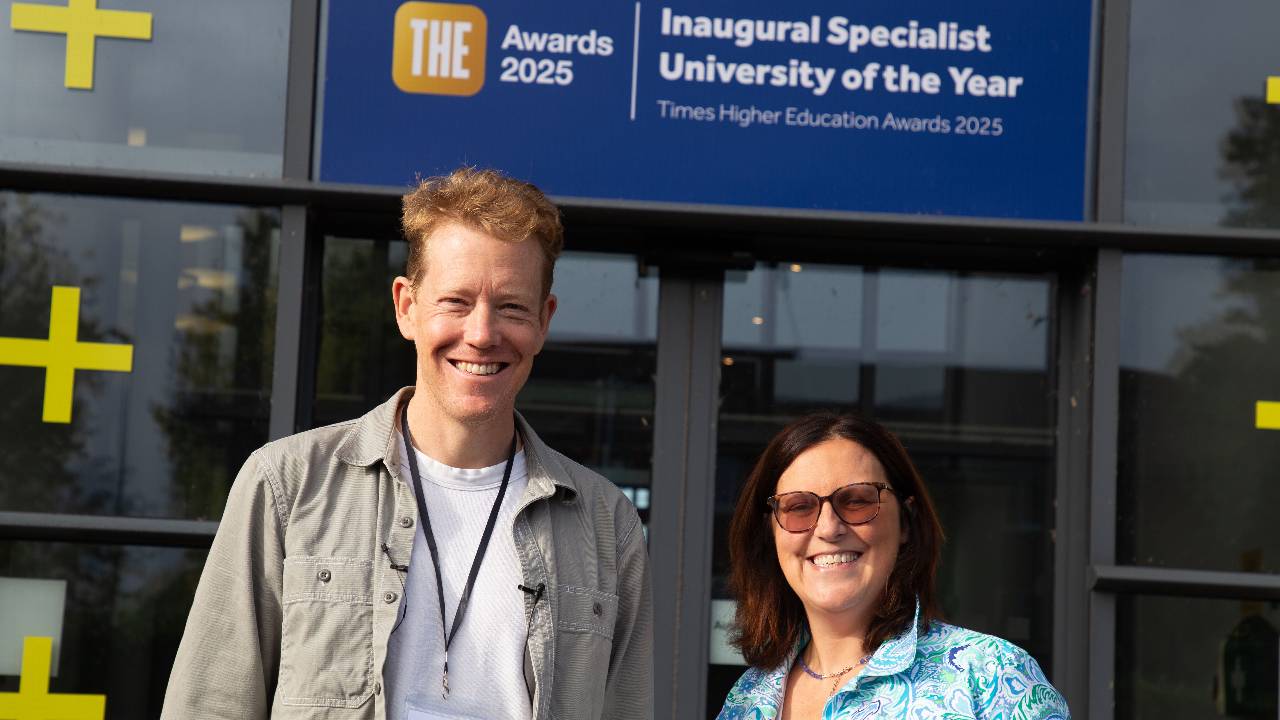
The conference was opened by keynote speaker Ed Fidoe, founder and Chief Executive of the London Interdisciplinary School, whose address explored lessons from building an interdisciplinary university and challenged delegates to consider how higher education can prepare students to address complex real-world problems.
He noted: "We are an experiment - a mutation in the system - and evolution only happens when you get mutations.
"If you don't evolve the education sector and have these mutations happening, you get stuck in mediocrity . I think we need mutations at a program level, probably at an institutional or a department level.
"We may be right or we may be wrong - but there should be 50 of us, across the country or across the world, trying different things.
"So it is great to hear that institutions like Harper Adams are thinking about doing new approaches - we have to be trying new things."
Throughout the day, colleagues were able to choose from a wide range of sessions exploring themes including inclusive teaching, information literacy, compassionate communication, student belonging, assessment design, coaching, practical learning and curriculum innovation.
They were joined by colleagues from School of Coding, Open University, University of Birmingham, Arden University, and University of Wolverhampton.
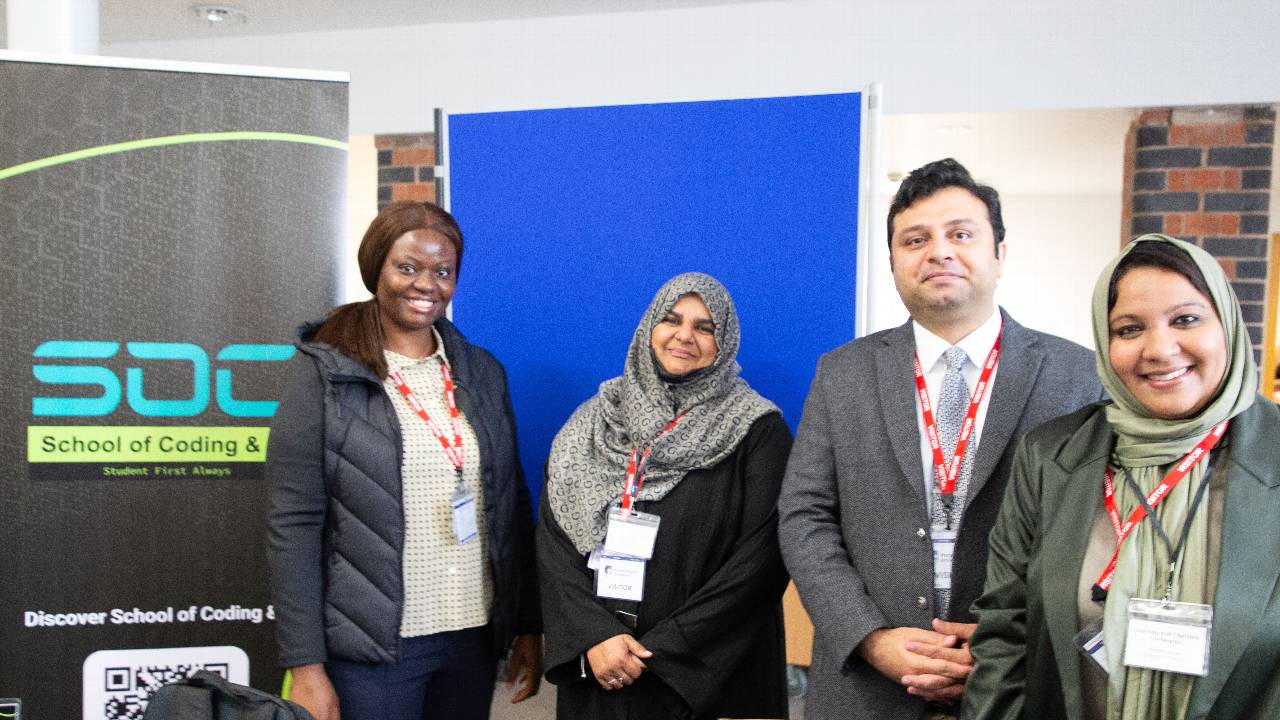
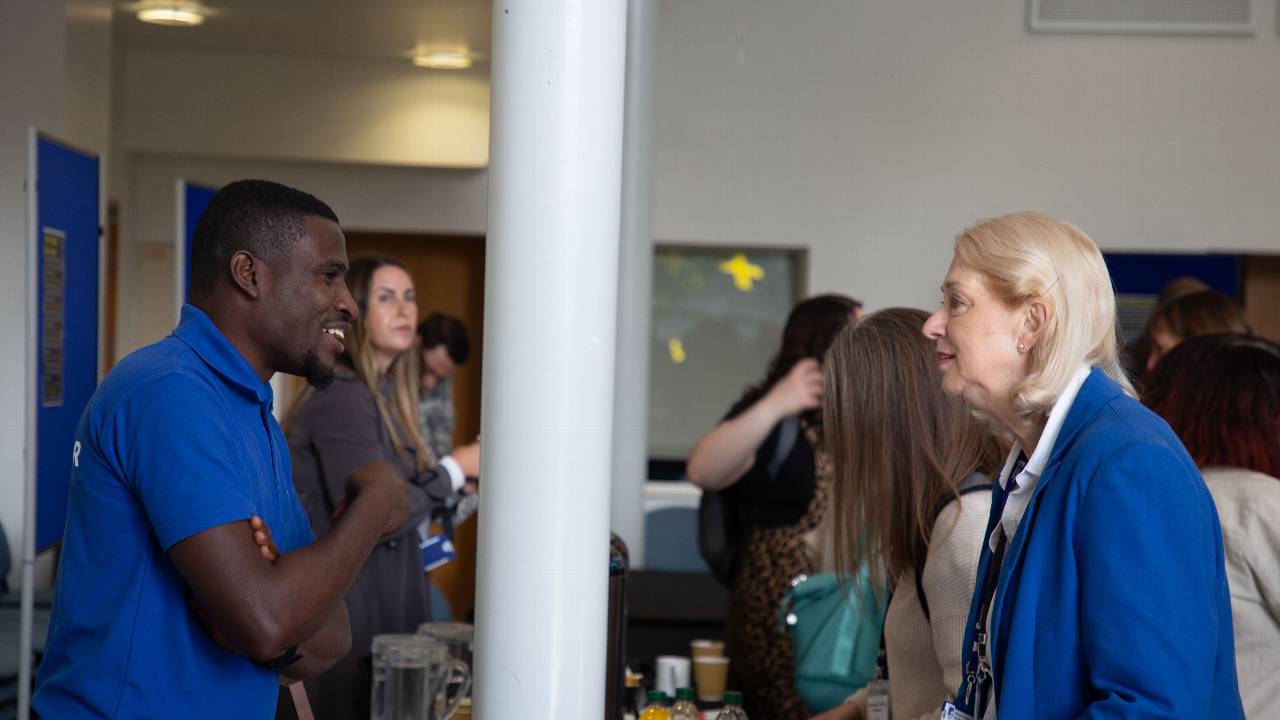
Several sessions focused on the evolving role of artificial intelligence in higher education, from research into staff adoption of AI and developing student AI literacy, to discussions around inclusive assessment and the practical realities of testing AI tools within teaching preparation.
Other contributions highlighted approaches to supporting student engagement and belonging, including collaborative lesson study approaches for international students, strategies for creating connection in increasingly diverse learning communities, and examples of transition support designed to help students thrive from their first days at university.
The programme also showcased innovative practice from across Harper Adams, including workshops on practical pedagogies, research-informed approaches to problem solving, vehicle communication networks, outdoor coaching and the use of Lego Serious Play to support co-creation and curriculum development.
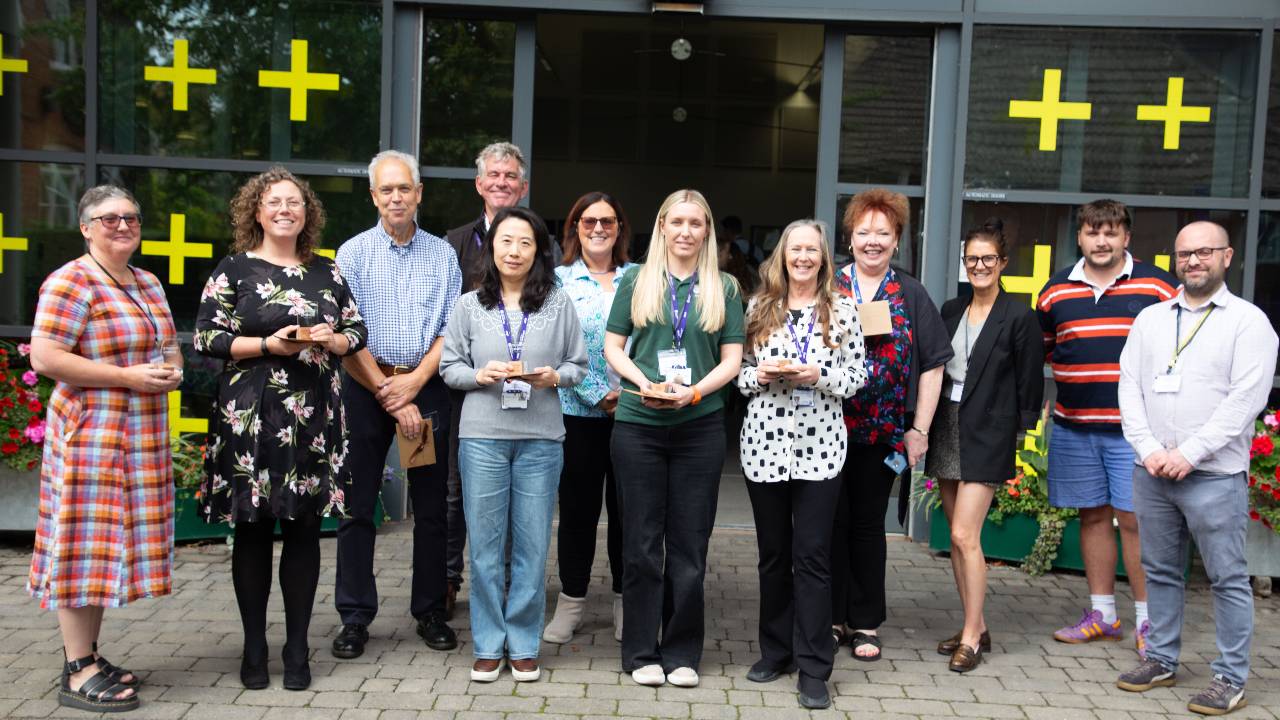
The conference also provided opportunities for colleagues to connect with Communities of Practice and networking groups from across the University, including communities focused on AI, digital accessibility and professional networking.
Lydia added: "As the day concluded, delegates left with new ideas, practical approaches and renewed enthusiasm for supporting learning, teaching and the student experience across Harper Adams.
"Building on the success of previous conferences, the event once again demonstrated the University's commitment to sharing expertise, fostering innovation and learning together as a community."
Related Posts
Agricultural Autonomy Institute joins Harper Adams University's 125th anniversary celebrations
A leading American expert in agricultural autonomy has paid tribute to Harper Adams University as it marks its 125th anniversary.Dr Alex Tho …
Posted 22 October
 Sky's the limit: Helen joins MP's fundraising parachute jump
A charity skydive by a Harper Adams University Business Development Consultant has helped raise more than £16,000 for a new cancer cen …
Posted 21 October
Sky's the limit: Helen joins MP's fundraising parachute jump
A charity skydive by a Harper Adams University Business Development Consultant has helped raise more than £16,000 for a new cancer cen …
Posted 21 October
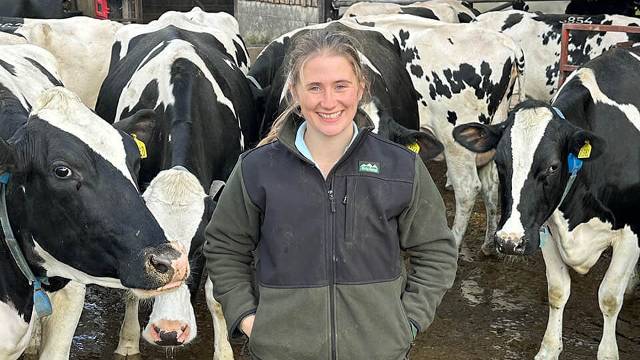 From dairy farm - to farm vet
Growing up on a dairy farm played a huge part in shaping Harriet Brimacombe’s ambition to become a vet. Now, as she prepares to …
Posted 20 October
From dairy farm - to farm vet
Growing up on a dairy farm played a huge part in shaping Harriet Brimacombe’s ambition to become a vet. Now, as she prepares to …
Posted 20 October
 Listen: Archers anniversary marked with future of farming discussion on BBC radio
With BBC Radio Four marking the 75th anniversary of the Archers this year, Farming Today has taken the opportunity to look forwards this wee …
Posted 16 October
Listen: Archers anniversary marked with future of farming discussion on BBC radio
With BBC Radio Four marking the 75th anniversary of the Archers this year, Farming Today has taken the opportunity to look forwards this wee …
Posted 16 October