
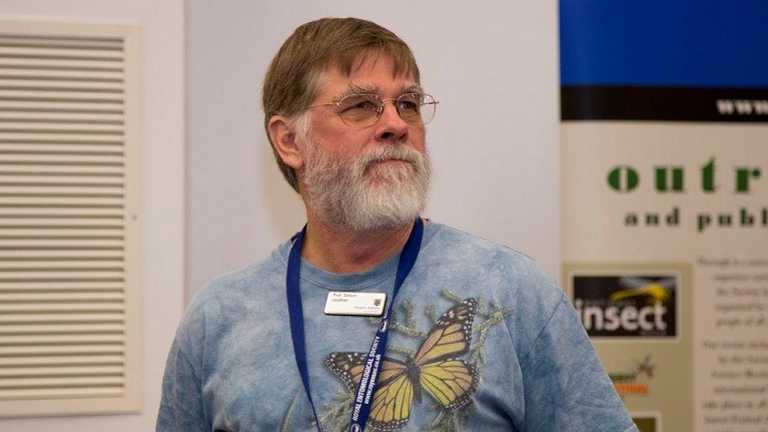
Exciting studentships offer keen students opportunity to tackle major plant health challenges
Posted 10 April 2025

A pair of exciting Royal Society of Biology undergraduate studentships are being offered at Harper Adams University.
Working with plant scientists and researchers across the country, the Royal Society has developed the studentships to address major plant health challenges.
The two Harper Adams Projects are Investigating plant defence molecules and aphid performance, which will be supervised by Reader in Integrated Pest Management Dr Joe Roberts, and Investigating aphid parasitoids to protect crops, which will be supervised by Professor of Applied Entomology Tom Pope.
Professor Pope said: “Students will have the opportunity to work in the Jean Jackson Entomology Laboratory for a period of 10 weeks this summer.
“The students will work on Applied Entomology projects seeking to developing tools for sustainable crop protection. The studentships are suitable for students who have just finished their second year of study. Each of the projects is aligned with Defra priority areas in plant health, such as management of pests and diseases.
“These studentships provide a fantastic opportunity for Harper Adams to welcome students from other universities and show the work we do in plant health. At the same time, we welcome the fresh ideas and skills that these students bring to our research group.”
Running for between eight and 10 weeks, the studentships will begin this summer and applications for both are now open on the Society’s website.
Successful students will receive around £400 per week during their studentship, find out what it’s like to contribute to a real research project, and get research experience and new skills to contribute to their CVs.
Explaing what the project he is supervising will entail, Professor Pope said: “In the studentship I will be working on the student will record the efficacy, in terms of crop protection, of genetically characterised aphid parasitoids against a range of aphid pest species.
“The results will provide evidence for whether biological control can be improved by increasing genetic diversity within commercial parasitoid populations - or by selecting specific populations based on the target pest. “
Meanwhile, describing his project, Dr Roberts said: “We are investigating plant defence elicitors, such as methyl salicylate and cis-jasmone, as sustainable alternatives to conventional pesticides for controlling aphids, which damage crops through feeding and virus transmission.
“The project builds on previous research using other Brassica species where these naturally-occurring compounds strengthened plants' immune responses and attracted beneficial insects that prey on aphids.
“Through controlled experiments with cabbage plants, students will measure how these treatments affect aphid reproduction, natural enemy recruitment and plant volatile emissions to develop environmentally friendly crop protection strategies.”
Applications close on April 25 and both studentships, and full details on how to apply, can be found here on the Royal Society of Biology website.
Most popular
-
 125th anniversary celebrations launched by Chancellor Her Royal Highness The Princess Royal
29 September -
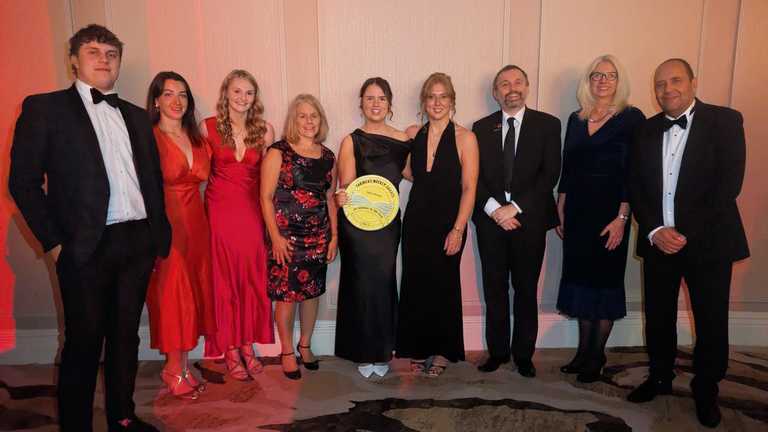 Graduate planning to transform Shetland farming named Farmers Weekly Ag Student of the Year
2 October -
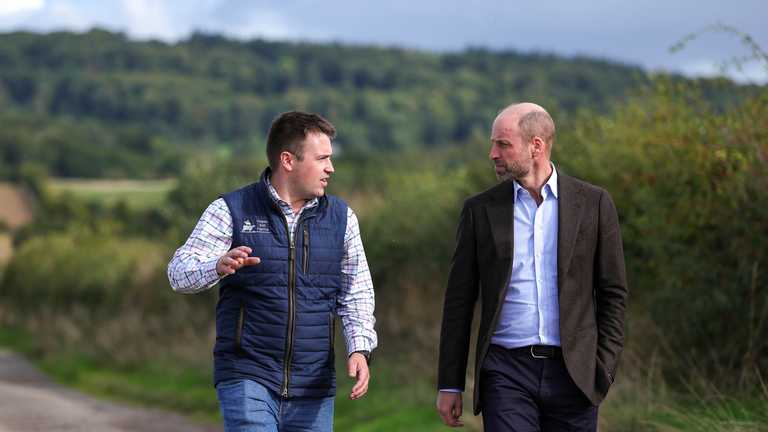 Award-winning graduate takes on Duchy of Cornwall’s first regenerative Farm Business Tenancy
6 October -
 Allied professionals can support farmer mental health - but should not be relied upon and need help themselves, study says
5 October -
 Graduation 2026: meet our alumni speakers
18 September -
 Conference and party round off 125th anniversary opening celebrations
30 September
Related articles
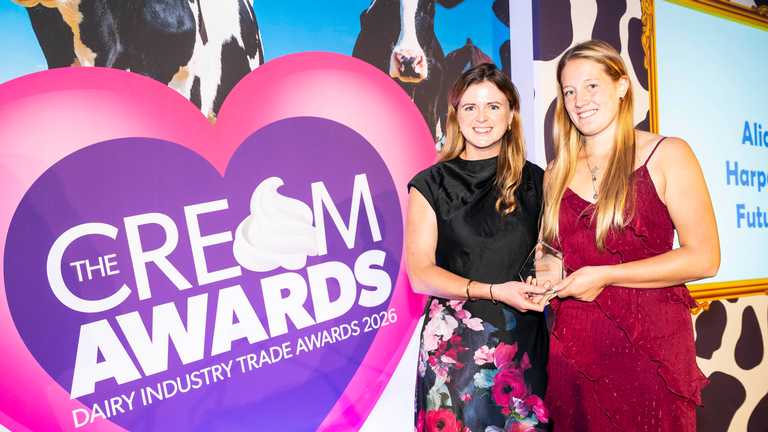
Dairy Manager highly commended as Young Dairy Farmer of the Year at Cream Awards 2026
Posted YesterdayAward-winning graduate takes on Duchy of Cornwall’s first regenerative Farm Business Tenancy
Posted 6 October