Resistant potato varieties key to fighting PCN
Posted 15 September 2015
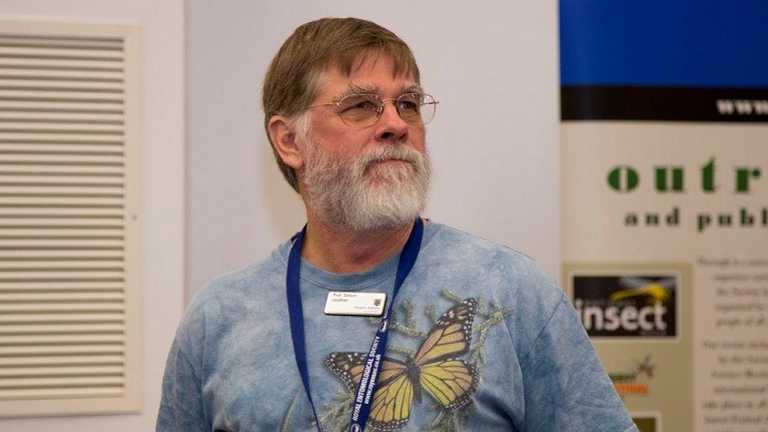
Embracing new potato varieties will help growers in the fight against economically damaging pest, Potato Cyst Nematode; was the key message of an industry conference held at Harper Adams University.
The 4th Symposium of Potato Cyst Nematode (PCN) Management was held at the university on behalf of the Association of Applied Biologists (AAB) and welcomed researchers, farmers and agronomists from the UK, Europe and America.
A reoccurring theme throughout the event was the need for greater use of resistant varieties and an acceptance of these alternatives at market level.
Senior Lecturer in Plant Pathology and Nematology at Harper Adams, Dr Matthew Back coordinated the conference with Dr Ivan Grove. Dr Back said: “PCN are microscopic worm-like organisms that live in the soil, attacking the root systems of potato plants causing major economic yield losses for growers.
“One way to control this pest is through the use of resistant varieties, particularly those resistant to the Globodera pallida species of PCN.
“But this will only be successful if the market accepts these resistant varieties and we begin to see them on supermarket shelves, creating a consumer demand.
“If we combine the use of resistant varieties with preventative measures and alternative control methods such as biofumigation and trap cropping, we could significantly reduce the economic impact of the pest.
“By hosting the Symposium at Harper Adams, we have been able to share our research with experts from around the world and also learn from them and hear their perspectives.”
Among those presenting their work was Harper Adams postgraduate students Bill Watts, Victoria Taylor and Katarzyna Dybal-Lima. Delegates were also able to see live demonstrations of management technique, biofumigation.
Speaking of the future of the event, Dr Ivan Grove said: “Although this event is primarily for those interested in PCN, this year we included other nematode pests of potatoes.
“Increasingly, growers are noticing these other pests so it is vital that we improve awareness amongst agronomists and researchers at an early stage so we can start to look into new management techniques.
“But overall, it has been a fantastic event that has shown us in the UK that we have plenty to learn from, from researchers across the globe.”
During the symposium, prizes were awarded for the best research poster and best presentation in memory of the late Dr Pat Haydock, who initiated the first Symposium of PCN in 2000.
Most popular
-
 125th anniversary celebrations launched by Chancellor Her Royal Highness The Princess Royal
29 September -
 Graduate planning to transform Shetland farming named Farmers Weekly Ag Student of the Year
2 October -
 Award-winning graduate takes on Duchy of Cornwall’s first regenerative Farm Business Tenancy
6 October -
 Allied professionals can support farmer mental health - but should not be relied upon and need help themselves, study says
5 October -
 Graduation 2026: meet our alumni speakers
18 September -
 Conference and party round off 125th anniversary opening celebrations
30 September
Related articles
Allied professionals can support farmer mental health - but should not be relied upon and need help themselves, study says
Posted 5 October
Groundbreaking new study aims to examine neurodivergence in agriculture
Posted 7 September