

Allied professionals can support farmer mental health - but should not be relied upon and need help themselves, study says
Posted 5 October
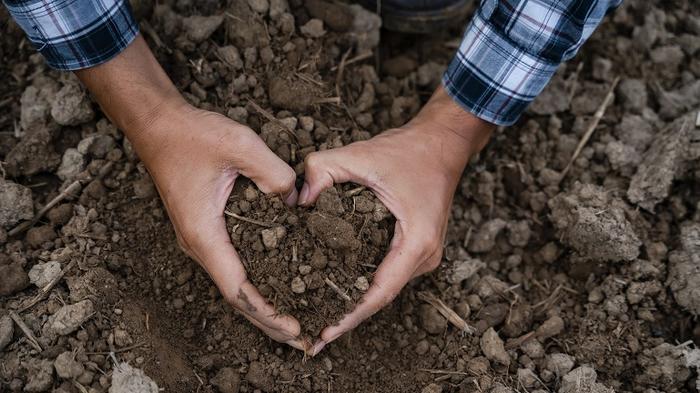
Famers’ mental health can be supported by the allied professionals they meet in their day-to-day lives, new research has suggested – but their role should involve signposting them to professional support, rather than being seen as a substitute for expert help.
The research was conducted by Harper Adams University on behalf of the AgriWellbeing Alliance and has been published in the Journal of Agricultural Education and Extension.
The Alliance works with rural landowners, farming families, mental health organisations, agricultural contractors, and advisors - raising awareness, reducing stigma, and promoting access to services supporting mental health and wellbeing.

Professor David Christian Rose, Elizabeth Creak Chair in Sustainable Agricultural Change at Harper Adams University, said: “Farmers face difficulties in accessing professional support for their mental health for several reasons, including lack of availability in rural areas, a stigma in accessing support, and lack of time.
“Therefore, efforts are being increasingly made to provide mental health support in places where farmers go – such as auction marts and agricultural shows.
“Farmers spend most of their time on the farm. This can be isolating, but they are in regular contact with a network of allied professionals, such as agronomists, veterinarians, contractors, and land agents, with whom they can build trusted relationships.”
A survey of these professionals, and an evaluation of mental health literacy training some were offered, found they can act as ‘accidental counsellors’, supporting farmers primarily through listening and offering empathy, but also playing a signposting role.
The training - offered by Mates in Mind and the Farming Community Network boosted participants’ awareness of resources to support farmers.
However, Professor Rose warned: “These professionals could help spot signs of distress and support farmer mental health – but they are not trained mental health experts and shouldn’t be relied upon to do the job of an expert.”
Dr Laura Palczynski, who led the study, added: “Across the varied responses we received, there was a general sense of wanting to do ‘the right thing’ but a level of uncertainty as to what that was.
“Some might consider themselves to be a friend for farmers to talk to; others preferred to not engage in conversations about farmers’ worries if unrelated to their area of expertise.
“Improved awareness of where farmers could be signposted towards for support seemed to ease the sense of responsibility for some. However, potential conflicts of interest were mentioned, particularly where performing professional duties might add to the burden of someone already struggling.
“Being more aware of farmers’ poor mental health without adequate avenues to support them practically and emotionally can weigh heavily on allied professionals.”
Researchers made five recommendations:
Employers or associations should equip allied professionals with mental health literacy skills and the knowledge of how to signpost farmers towards support.
Access to mental health experts within the landscape of support should be improved - and non-experts should not be relied upon.
Clear boundaries need to be laid out for allied professionals, including protocols for raising concerns about a farmer’s wellbeing.
Allied professionals should be offered mental health support and appropriate aftercare services if given training.
Further research is needed to understand the effects of equipping allied professionals with enhanced mental health literacy.
Most popular
- Fresh opportunities to study in Australia and New Zealand unveiled
19 October -
 Graduate wins both British Farming Awards and Farmers Weekly Ag Student of the Year prizes
16 October -
 Honorary Degree celebrates Archers star's 40 years illuminating rural life
14 October -
 Scale of rural crime underestimated, expert tells MPs
15 October -
 Smart data disease prediction project earns engineer prestigious award
12 October -
 Graduate planning to transform Shetland farming named Farmers Weekly Ag Student of the Year
2 October