Student dissertation looks at gender equality in agriculture in developing countries
Posted 15 July 2016
In African farming, women make up 70 to 80 per cent of the workforce and it is predicted that millions of people could be pulled out of poverty if women were recognised in agriculture."

Developing countries need to establish gender equality in everyday life, before it can be achieved in agriculture, concludes Harper Adams University student Sarah Iveson in her dissertation.
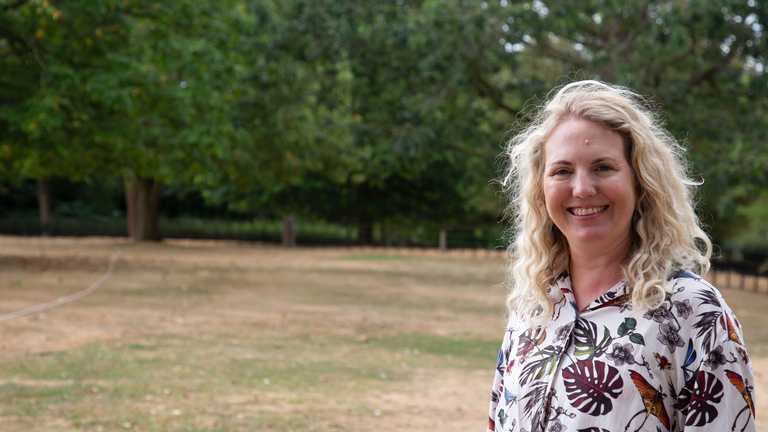
Sarah, 22, a BSc (Hons) Rural Enterprise and Land Management (REALM) student said: “I wanted to look into how gender inclusive food security and agriculture policies relating to climate change are.
“In African farming, women make up 70 to 80 per cent of the workforce and it is predicted that millions of people could be pulled out of poverty if women were recognised in agriculture.
“They are mostly involved on family farms, where the families will only be selling surplus products. However, there are accounts of women being afraid to go to the markets and sell produce due to a fear of being attacked,” said Sarah, from Brierley, South Yorkshire.
“For my project, I looked at the policies affecting three African countries; Malawi, Uganda and Mauritania.
“It was a lengthy process, where I looked at any policies which related to both agriculture and climate change. These included policies from the World Bank, UN and other sources.
“I then put the information regarding how each policy had been implemented, including the positives and negatives, into a spreadsheet.
“I saw that land tenure, hereditary rights, along with barriers to technology, prevented women from being included in the work derived from these policies. Although I did find evidence of inclusive SMS services providing climate alerts.
“With this information, I highlighted five areas which would need to be addressed before women could be seen as equal in agriculture. These included: addressing government corruption; equality for women in general society; for women to be included in the policy and decisions affecting them; and also for issues regarding land tenure to be addressed.
“I found this project very interesting, even though some would see sitting around reading loads of documents as boring. I’ve always enjoyed history, but also wanted to do something current and meaningful.”
‘Making My Mark’ is a collection of articles looking at how Harper Adams University students are making a difference in our world. If you have a dissertation, or story, you wish to be included, please email press@harper-adams.ac.uk
Most popular
- Groundbreaking new study aims to examine neurodivergence in agriculture
7 September -
 Her Royal Highness The Princess Royal to formally launch Harper Adams University's 125th anniversary celebrations
2 September -
 University shortlisted for its Environmental Leadership at Times Higher Education Awards 2026
4 September -
 Harper Adams University secures £5 million Leverhulme grant to launch Transformative Farming doctoral programme
1 September -
 Expanded clearing places designed to meet industry challenges
17 August 2022 -
 Industry-led initiative calls for urgent policy action to protect UK food production as drought pressures intensify
3 September
Related articles
Harper Adams University secures £5 million Leverhulme grant to launch Transformative Farming doctoral programme
Posted 1 September
University to host national Stakeholder Showcase for groundbreaking nutrient recovery and slurry innovation project
Posted 20 August